Pancreas Transplants

Understanding

Pancreatic Surgery

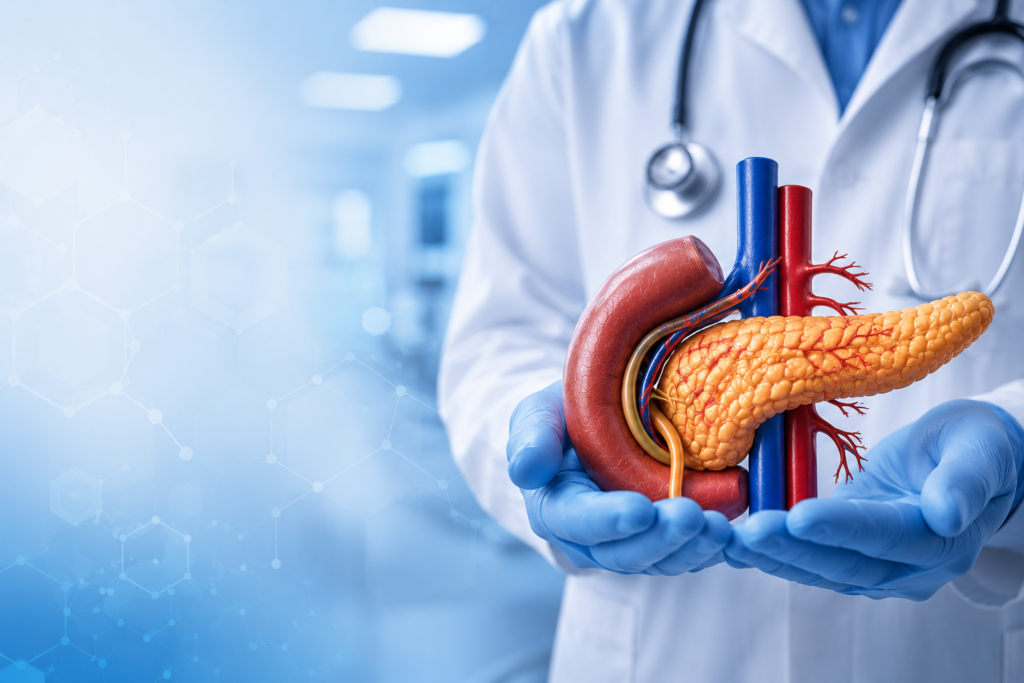
Pancreatic surgery involves all the surgical procedures performed on the pancreas. The pancreas is part of the digestive system. It has two primary roles. It produces enzymes that help in the digestion of food, as well as hormones that help to regulate blood sugar levels and store energy from food.

Purpose of Pancreatic Surgery

  • Pancreatic surgery can treat a variety of illnesses, including:

    • Pancreatic cancer.
    • Insulinoma is a form of pancreatic neuroendocrine tumor.
    • Metastatic kidney cancer
    • Pancreatic cysts
    • Severe chronic pancreatitis
    • Blockage of the bile duct

Advantage

Pancreatic surgery offers pain relief, improved digestion, potential cancer treatment, prevention of complications, management of chronic conditions, and improved overall health. It can remove damaged tissue, restore proper digestion, and potentially cure early-stage pancreatic cancer. It also helps control symptoms and prevent future flare-ups in cases of pancreatitis, enhancing overall well-being.

Recovery

Pancreatic surgery recovery is a long process, requiring proper care and support. In the hospital, pain management is provided, followed by a gradual transition to a regular diet. Physiotherapy is encouraged to prevent blood clots and promote healing. At home, rest and recovery are crucial, along with a balanced diet and pancreatic enzyme supplements. Pain medication dosage is gradually reduced, and activity restrictions are gradually increased. Wound care is essential, and regular checkups are essential. Emotional well-being is crucial, and lifestyle changes may be necessary. Full recovery typically takes 2–6 months, but it may take longer depending on the person.

Treatments

For Cancer Treatment

Depending on where the tumor is located in the pancreas, various methods of surgery are performed:

  • The Whipple technique (pancreaticoduodenectomy): It is the most common surgery used to remove pancreatic cancer. It is normally performed when a tumor is located in the head of the pancreas and matches other criteria for resection. In a normal surgery, the surgeon removes the pancreas head, the gallbladder, the duodenum, a tiny section of the stomach known as the antrum, the stomach valve, and the surrounding lymph nodes. This surgery usually takes 5-7 hours to take place.
  • Distal pancreatectomy: It is performed when a tumor is located in the body or tail of the pancreas. During this treatment, the surgeon removes the pancreas' body and tail, as well as the spleen.
  • Total pancreatectomy: This is performed when a tumor is located in such a way that the entire pancreas must be removed or when several tumors are scattered throughout the pancreas. Because the entire pancreas is removed during a total pancreatectomy, the patient will be diabetic after surgery and will require insulin to maintain their blood sugar levels.


Treatments

For Palliative Surgeries

Palliative procedures are used to relieve symptoms. They do not require the total excision of the tumor. Palliative surgeries can help relieve jaundice, discomfort, nausea, and vomiting caused by bile duct and/or duodenal blockages.
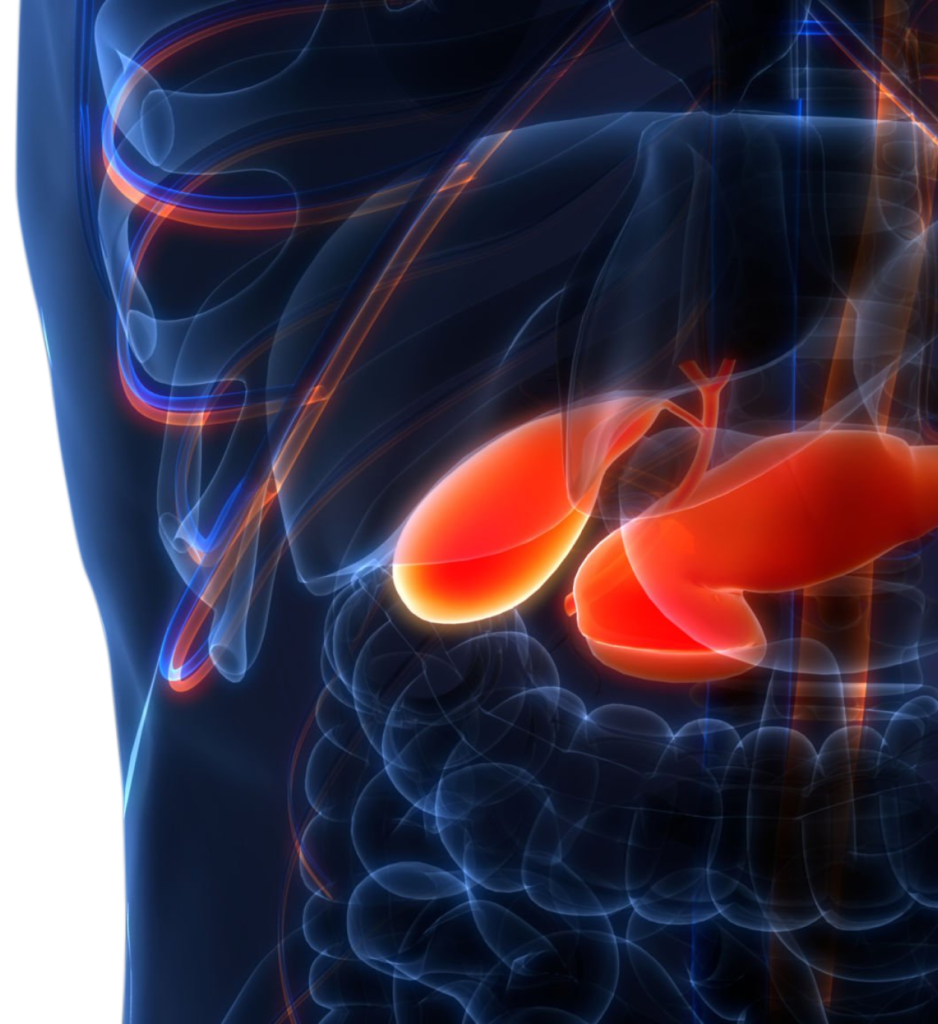
  • Biliary bypass surgery: It reroutes the flow of bile around a tumor that is blocking the common bile duct. It may also alleviate jaundice.
  • Gastric bypass surgery: This can be performed if a tumor restricts the duodenum, allowing food to pass through the blockage.
  • Stent placement: A stent is a tiny plastic or metal tube used to keep the bile duct, pancreatic duct, or duodenum open. Stent insertion can ease blockages in certain regions and may be used instead of bypass surgery.

Procedure of Pancreatic Surgery

The steps involved in a Pancreatic Surgery are:

Before Pancreatic Surgery

You may need to take several steps in the days leading up to surgery. These may include:

  • Testing: Presurgical testing will take place. They will discuss your medical history and current medications with you. Standard medical tests, such as a chest X-ray or EKG, may be required to ensure your fitness for surgery.
  • Quitting: The doctor will also inquire about your current alcohol consumption. It’s critical to be honest about this. Alcohol use can result in difficulties during and after surgery. Your healthcare provider can assist you in safely discontinuing use and treating any withdrawal symptoms that arise.
  • Medications: You may be given an antiseptic skin cleanser to use before the surgery. This will assist in preventing bacterial infections following surgery. You may need to discontinue some drugs, such as NSAIDs and blood thinners, a few days before the surgery.

During the Procedure

During surgery, an anesthesiologist administers anesthetic via an IV in the arm, putting the patient to sleep. Various tubes are inserted to support the body, depending on the type of surgery the individual is undergoing. Pancreatic surgeries are usually carried out using open surgery, but minimally invasive procedures such as laparoscopic or robotic surgery are available for easier recovery.

After Pancreatic Surgery

Following surgery, you will be sent to a hospital room, where your healthcare team will monitor your health and vital signs.You’ll gradually wean off pain medication, move around more, and transition from liquid to solid foods. Your healthcare team will monitor your digestion and blood glucose levels, adjusting your diet and prescription medications accordingly.

Frequently Asked Questions

Get answers to your questions

Q1:How long does it take to recover after a pancreatectomy?

A: Recovery at home can take four to eight weeks, depending on your pre-operative condition, the extent of the operation, and whether you had minimally invasive or open surgery.