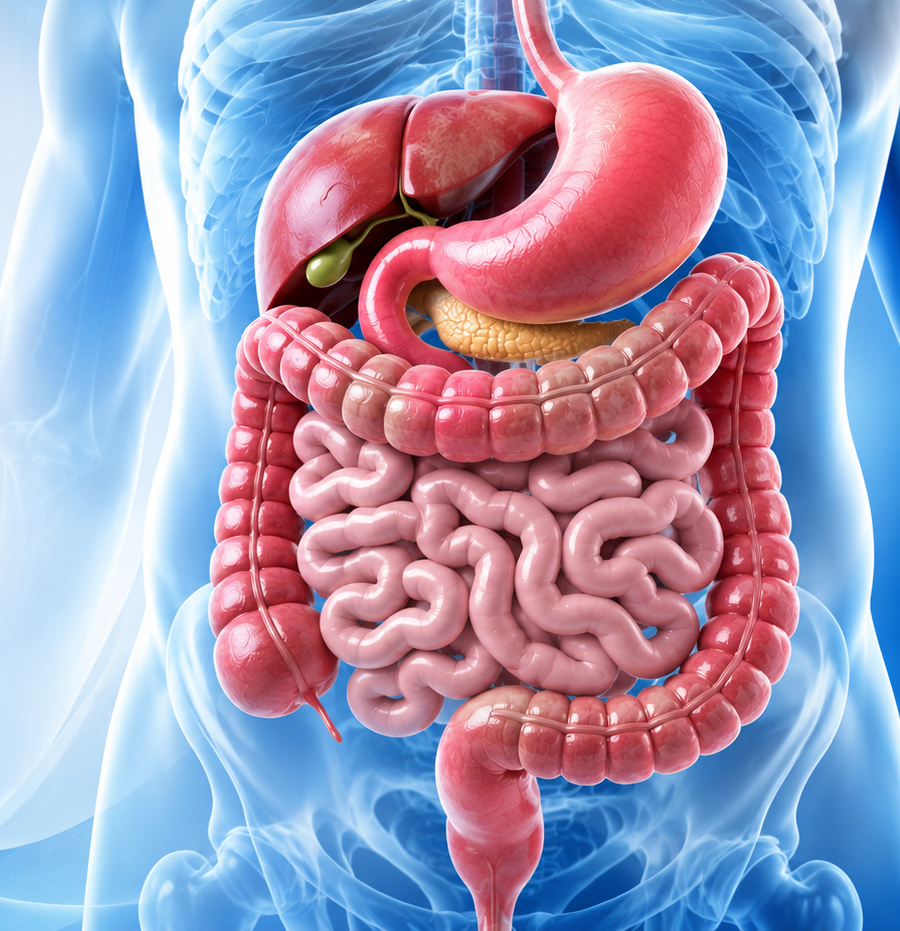
Gastrointestinal surgery involves the treatment of the diseases of the digestive system and organs involved in it using a surgical approach. Our digestive system involves esophagus (food pipe), stomach, intestines, and rectum. The diseases of liver, gallbladder, and pancreas can also be treated with this surgical speciality.
A damaged body part, like the intestines, or a growth, whether cancerous or not, may be removed surgically. A hernia, which is a weakness or hole in the abdominal wall, can also be fixed with a surgical approach. In order to identify and diagnose digestive system issues, minor surgical procedures can also be performed.
A: Diseases of the GI tract are treated with procedures known as gastro-intestinal surgeries. General surgeons perform general surgery and gastro-intestinal surgeons perform gastric surgeries. These procedures are performed to remove significant bodily defects, malignant tumors, and non-cancerous lesions.
A: The only successful surgical techniques are those that remove the duodenum’s contents from the stomach or gastric remnant. Isoperistaltic jejunal segment (Henley loop) and the Roux-en-Y diversion are proven successful treatments for reflux gastritis.
A: While gastric bypass surgery typically takes two to three hours, gastric banding (LAP-BAND) and sleeve gastrectomy can be completed in one to two hours.
Copyright © 2026 Dr. Amol Jadhav All rights reserved