
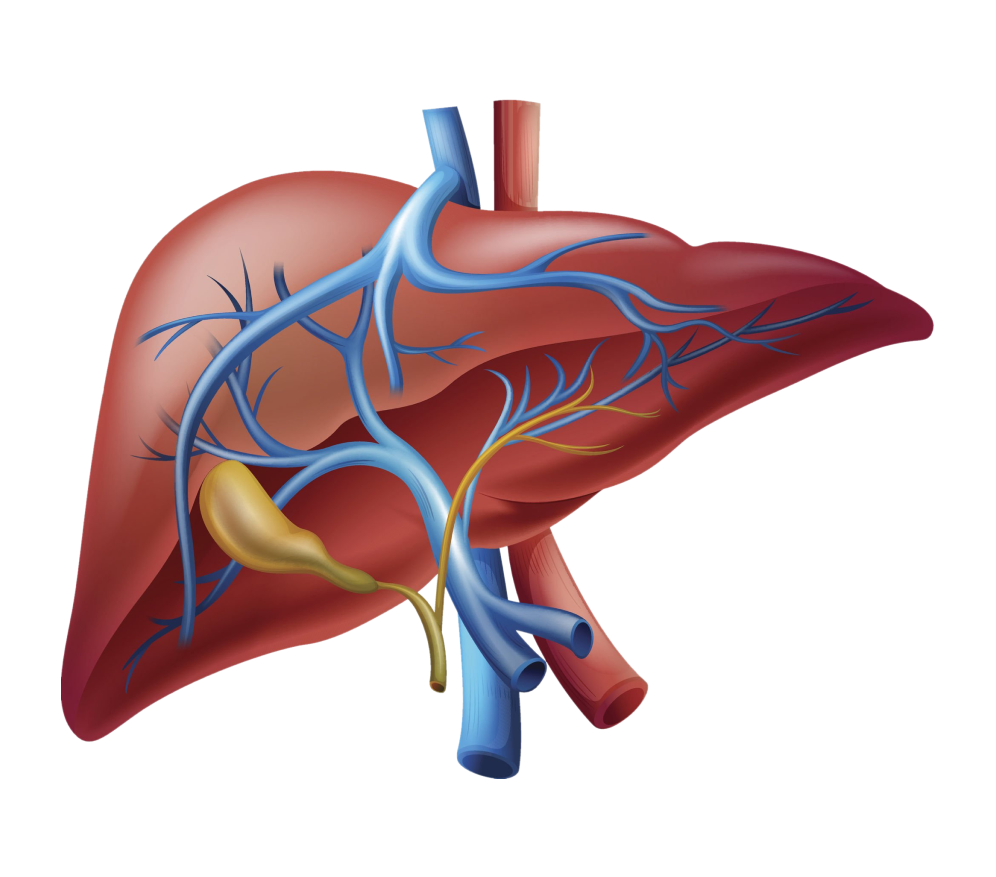
Bile duct cells undergo genetic alterations to form bile duct cancer or cholangiocarcinoma. The causes of such genetic changes in the cells have not been established. This results in uncontrolled proliferation of bile duct cells and formation of mass of cells (tumor). This tumor can potentially infiltrate and kill healthy cells.
Curative surgeries are performed to treat early stage tumors and palliative surgeries are performed to relieve symptoms in patients at any cancer stage. For bile duct cancer, there are various surgical procedures developed to either treat the disease or lessen its symptoms. Your general health, the type and stage of the cancer, and the type of surgery, all determine the success of the treatment
The goal of surgery for bile duct cancer is to remove the tumor along with some healthy surrounding tissue. It provides excellent chances for bile duct cancer patients to combat the cancer and recover. However, not every bile duct cancer patient is a candidate for this surgery. Less than 30% of patients with bile duct cancer (nearly three out of ten) are eligible for surgery for cancer removal. This is due to the fact that the majority of cancer diagnoses occur after the disease has already spread to other body parts. This is called advanced bile duct cancer. Generally, palliative care, radiotherapy, and/or chemotherapy is given to patients in advanced stages.
Liver surgeon may advise treatment to reduce the likelihood of the cancer returning after surgery. Such treatment is called Adjuvant therapy. Chemotherapy using capecitabine is typically administered for six months following surgery.
This surgery is done to alleviate cancer symptoms such as bile duct blockages. Following are the various type:
This surgery is done to remove the cancerous tissue along with some surrounding healthy cells. Following are the various type:
Throughout the process you will remain unconscious as general anesthesia will be administered to you. The medical staff will place a breathing tube through your mouth and into your windpipe once you’re completely asleep to assist with breathing. In order to improve blood flow, they will also place compression socks on your lower legs.
The length of the surgery can range from two to five hours, depending on how complicated the procedure is. A surgeon will make incisions during this period to extract damaged organ tissue or to re-establish bile flow.
A: The 3-, 5- and 10-year survival rate of a bile duct cancer surgery is 55.3%, 48.3% and 33.7%, respectively.
A: Bile duct cancer is curable only if the cancerous cells have not spread. In such a situation, the bile duct may be removed partially or completely. Merely a minor fraction of cases of bile duct cancer are identified at an early stage that makes surgery appropriate.
A: A bile duct cancer removal procedure is a major surgical procedure. Even following surgery, bile duct cancer often returns. Furthermore, issues could arise following this procedure.
Copyright © 2026 Dr. Amol Jadhav All rights reserved