
Liver Transplant Surgery
Understanding
What is Liver Transplant Surgery?
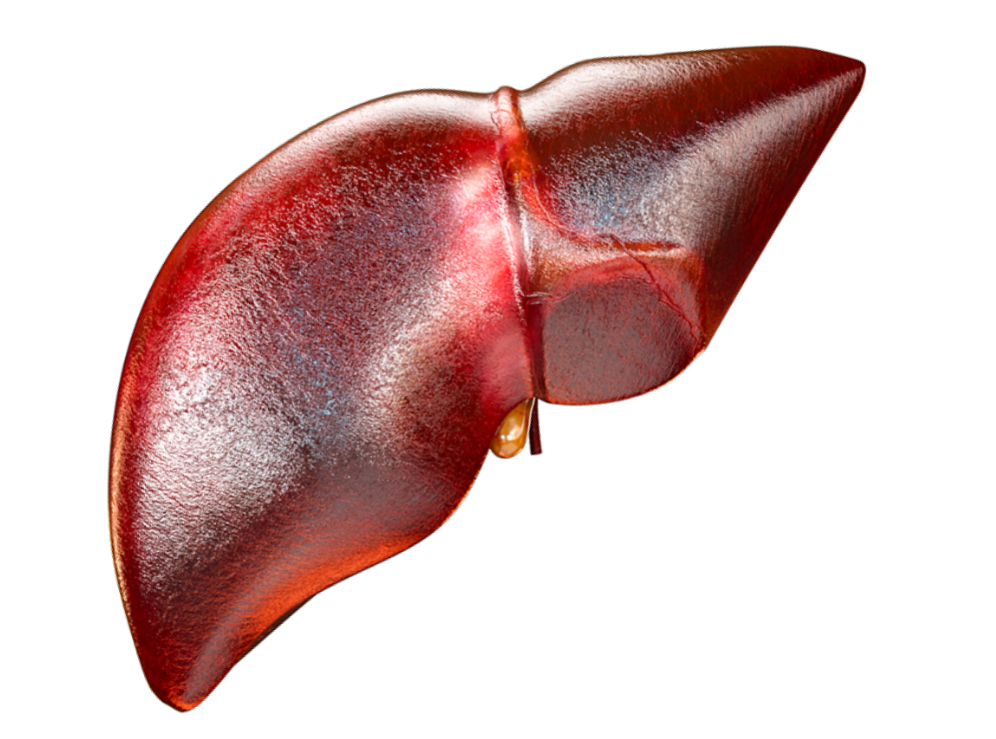
A liver transplant is a surgical intervention that involves the removal of a malfunctioning liver with a healthy liver taken from a deceased donor or part of a healthy liver taken from a living donor. Liver transplant is generally the treatment option for people with end-stage liver disease or who have significant risk of complications due to severely impaired liver function. It can also be opted to manage sudden liver failure.
A liver transplant is recommended when the liver can no longer perform its essential functions and medical treatments are no longer effective. The procedure offers a life-saving solution for patients with severe liver disease and significantly improves both survival rates and quality of life.
Procedure of Liver Transplant Surgery
The steps involved in a liver transplant surgery are:
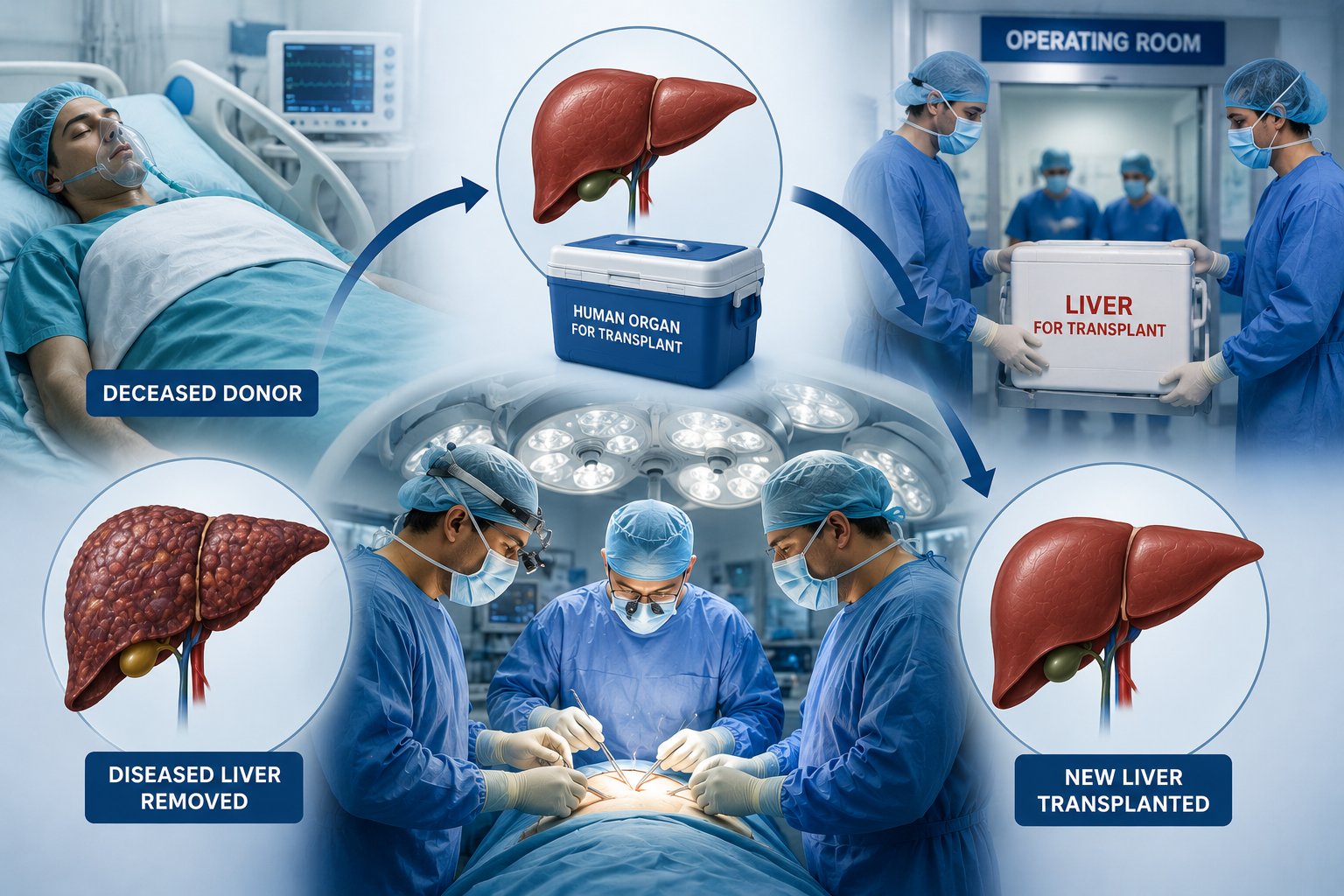
- Surgery Scheduling
This is the foremost and most significant phase in a living donor transplant, where the surgeon, recipient, and donor are all scheduled to meet on a specific date according to their availability. Depending on the availability of the deceased donor, surgery for a deceased donor transplant is typically planned immediately. To do this, you must put your name on the transplant list. As soon as a donor becomes available, you will be contacted. - Pre-surgical patient evaluation in hospital setting
On the day of the procedure, you will have to go through a few tests, proper Liver Transplant Evaluation and last-minute assessments. This is to ensure that you are completely ready for the surgery. - Anesthesia Administration
You will be brought to the operating room once the pre-evaluation is completed. Anesthesia is what your anesthesiologist will give you to make you unconscious during the surgery. - Making surgical incision
The surgical site will be prepared and a precise incision will be made to access the liver once you are under anesthesia. - Resecting and removing the liver
The surgeons will remove the diseased liver along with some of the surrounding tissues after carefully severing all of the blood vessels. - Placing the donor’s liver in recipient’s body
To restore blood flow, the donor liver is carefully placed inside the patient’s abdominal cavity and connected to the blood vessels. - Closing incisions and controlling bleeding
After the liver is implanted, the incision is closed carefully to prevent infection and bleeding.
Frequently Asked Questions
Get answers to your questions
A: Steer clear of excess salt, sugar, and saturated fats. In particular, diabetes management requires a low-sugar diet. Maintaining a diet low in saturated fat will assist in controlling your cholesterol levels. Your transplant team will provide you with information regarding your diet.
A: The age restriction depends upon the overall health status of each patient. It is uncommon, though, to offer a liver transplant to a patient older than 70.
A: Donors need to have liver anatomy that is appropriate for donation and a compatible blood type. A major medical condition, such as liver disease, diabetes, heart disease, or cancer, cannot be a potential liver donor. You must be a willing adult between the ages of 18 and 60 in order to donate your liver.
A: The cost of a liver transplant surgery can vary depending on factors such as the hospital, surgeon’s fees, post-operative care, and any additional medical treatments required.