
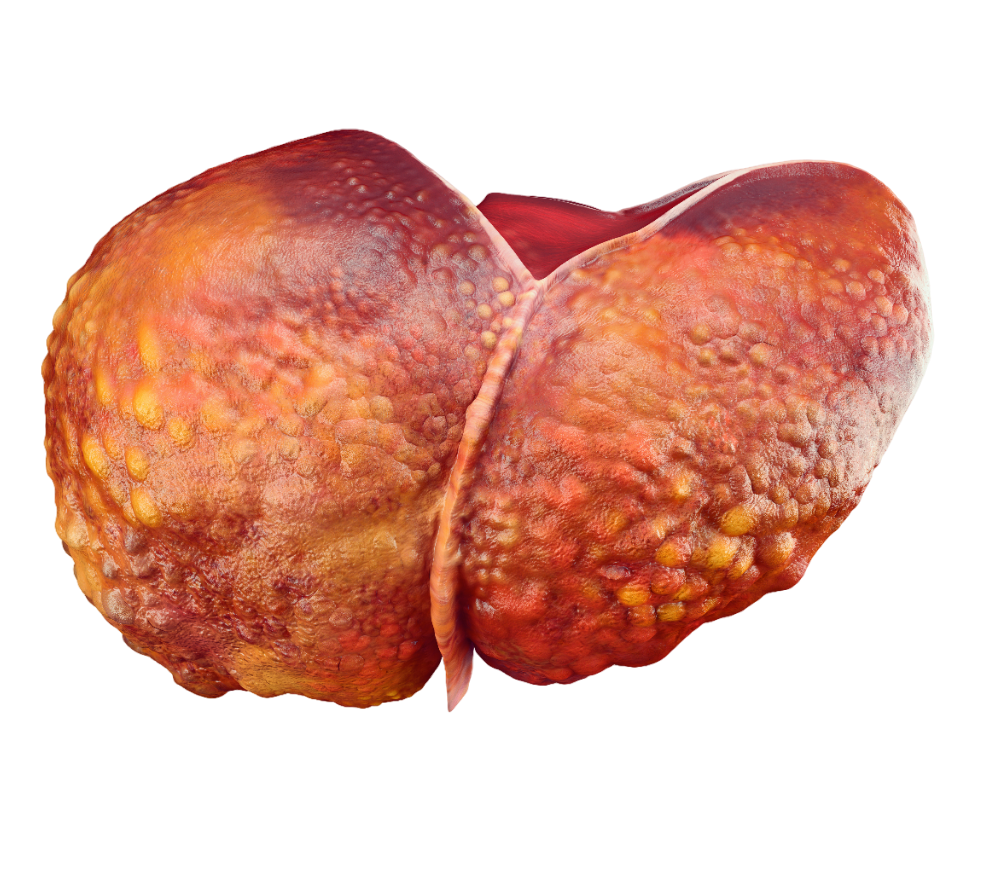
Cirrhosis is a progressive condition of the liver that is characterized by severe permanent scarring that damages your liver and interferes with its functioning. It can lead to liver failure. It results due to gradual and persistent damage of healthy liver cells over many years.
The most common causes behind this condition include excessive drug abuse and alcohol intake, viral infections, and metabolic disturbances. Your liver attempts to heal itself every time it sustains damage, whether from excessive alcohol use or another factor like an infection. Scar tissue forms during this process. An increasing amount of scar tissue forms upon cirrhosis worsening, which complicates the liver’s ability to function. Advancing cirrhosis can result in fatal outcomes.
Numerous diseases, disorders, habits, and medications have the potential to harm the liver and cause cirrhosis. Following are the primary causes:

Liver failure and liver disease symptoms can be detected by a panel of liver function tests. This test gauges the levels of bilirubin, proteins, and liver enzymes in your blood. Additionally, certain diseases or known side effects of medications, such as decreased blood clotting, may be detected through blood tests.

A liver biopsy is a simple procedure that involves removing a small sample of liver tissue for laboratory testing. Typically, a hollow needle can be used by a medical professional to collect the sample. A liver biopsy can confirm cirrhosis and possibly help identify its cause, though it is not always required.
An MRI, CT scan, or abdominal ultrasound are examples of imaging tests that can display the liver size, shape, and texture. Elastography (a special imaging test) measures the degree of liver fibrosis or stiffness using MRI or ultrasound technology.
The stage and type of liver cirrhosis determine the life expectancy, which can range from about 2 to 12 years. Individuals with compensated cirrhosis have a 9–12 year life expectancy but rarely exhibit any symptoms. Decompensated cirrhosis patients already deal with symptoms and side effects. They have a far shorter life expectancy than people with compensated cirrhosis, and in these situations, doctors advise referring patients for a liver transplant surgery. Research indicates that a person with advanced stage cirrhosis is likely to live for two years on average.
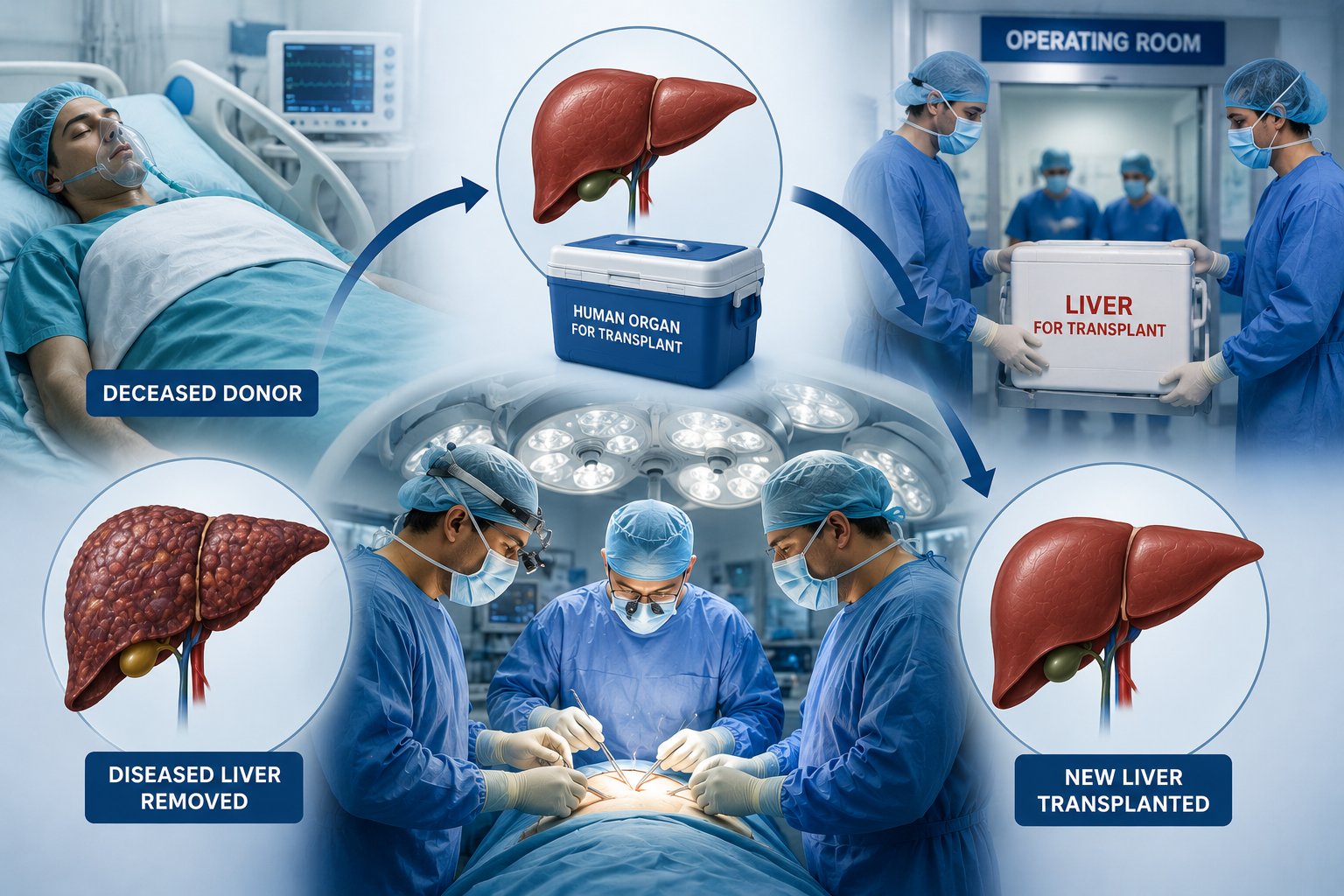
A: Your only option for treatment might be a liver transplant if your cirrhosis worsens and your liver becomes severely damaged. This is a major procedure where your damaged liver is removed and replaced with a healthy liver from a donor.
A: If the liver is not heavily scarred and is still in a state of adequate health, it can regenerate itself quite well. But cirrhosis limits your liver’s ability to regenerate.
A: Men are more likely than women to have cirrhosis, and it also happens more often after the age of 50.
A: Eliminating the cause is the best way to repair the damage. For instance, it’s critical to quit drinking if you have fatty liver from alcohol consumption. Eating healthily and losing weight are crucial if your diet or being overweight is the cause.
A: Many cirrhosis patients can lead long, fulfilling lives without requiring a liver transplant. However, how long you live with cirrhosis depends on the severity of damage and your efforts to overcome the disease.
Copyright © 2026 Dr. Amol Jadhav All rights reserved