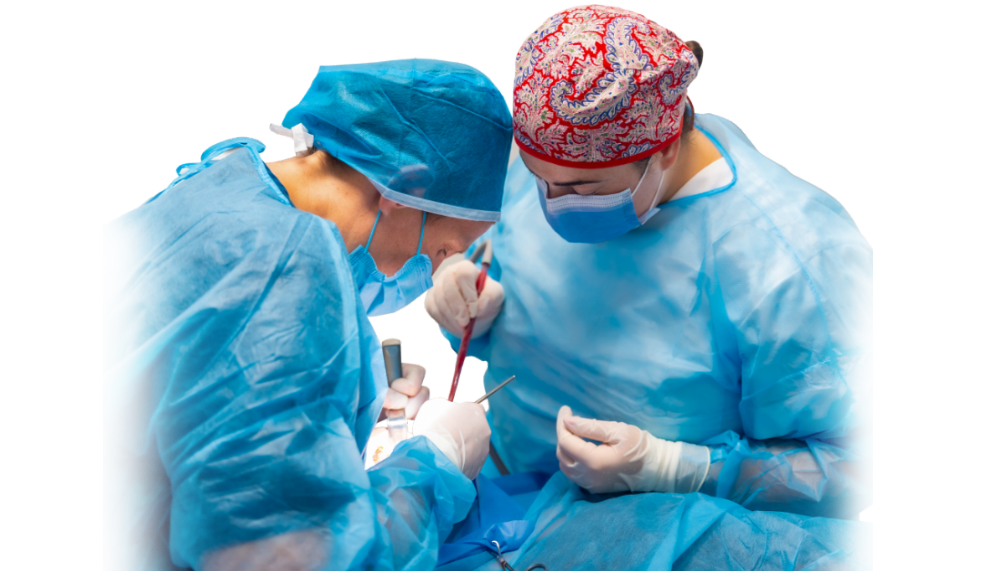
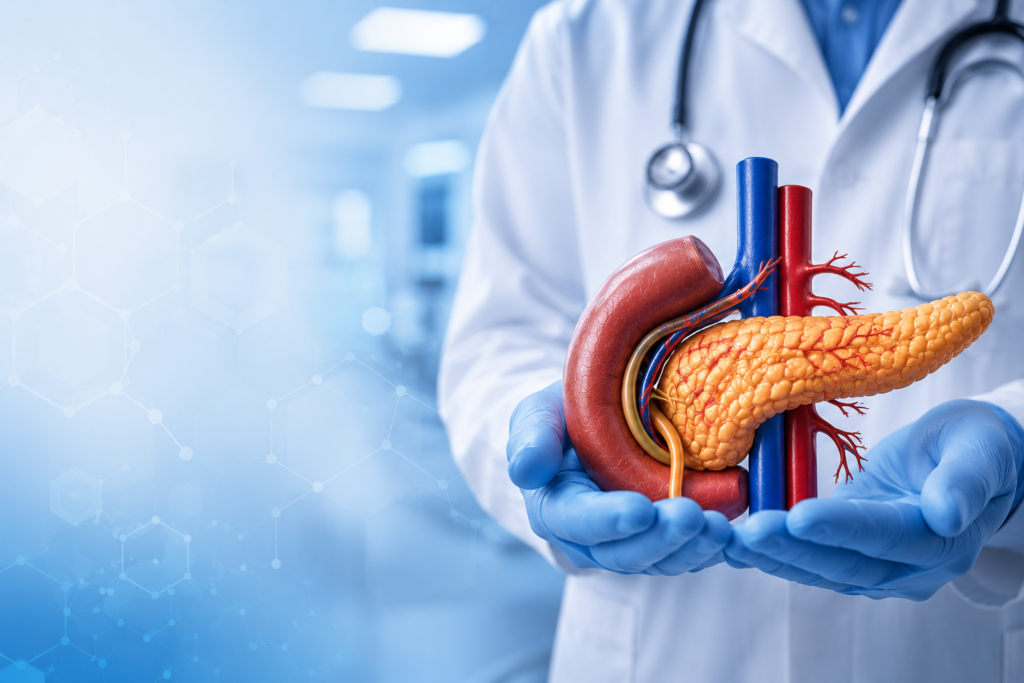
Pancreatic surgery involves all the surgical procedures performed on the pancreas. The pancreas is part of the digestive system. It has two primary roles. It produces enzymes that help in the digestion of food, as well as hormones that help to regulate blood sugar levels and store energy from food.
Pancreatic surgery can treat a variety of illnesses, including:
Pancreatic surgery offers pain relief, improved digestion, potential cancer treatment, prevention of complications, management of chronic conditions, and improved overall health. It can remove damaged tissue, restore proper digestion, and potentially cure early-stage pancreatic cancer. It also helps control symptoms and prevent future flare-ups in cases of pancreatitis, enhancing overall well-being.
Pancreatic surgery recovery is a long process, requiring proper care and support. In the hospital, pain management is provided, followed by a gradual transition to a regular diet. Physiotherapy is encouraged to prevent blood clots and promote healing. At home, rest and recovery are crucial, along with a balanced diet and pancreatic enzyme supplements. Pain medication dosage is gradually reduced, and activity restrictions are gradually increased. Wound care is essential, and regular checkups are essential. Emotional well-being is crucial, and lifestyle changes may be necessary. Full recovery typically takes 2–6 months, but it may take longer depending on the person.
Depending on where the tumor is located in the pancreas, various methods of surgery are performed:
Palliative procedures are used to relieve symptoms. They do not require the total excision of the tumor. Palliative surgeries can help relieve jaundice, discomfort, nausea, and vomiting caused by bile duct and/or duodenal blockages.
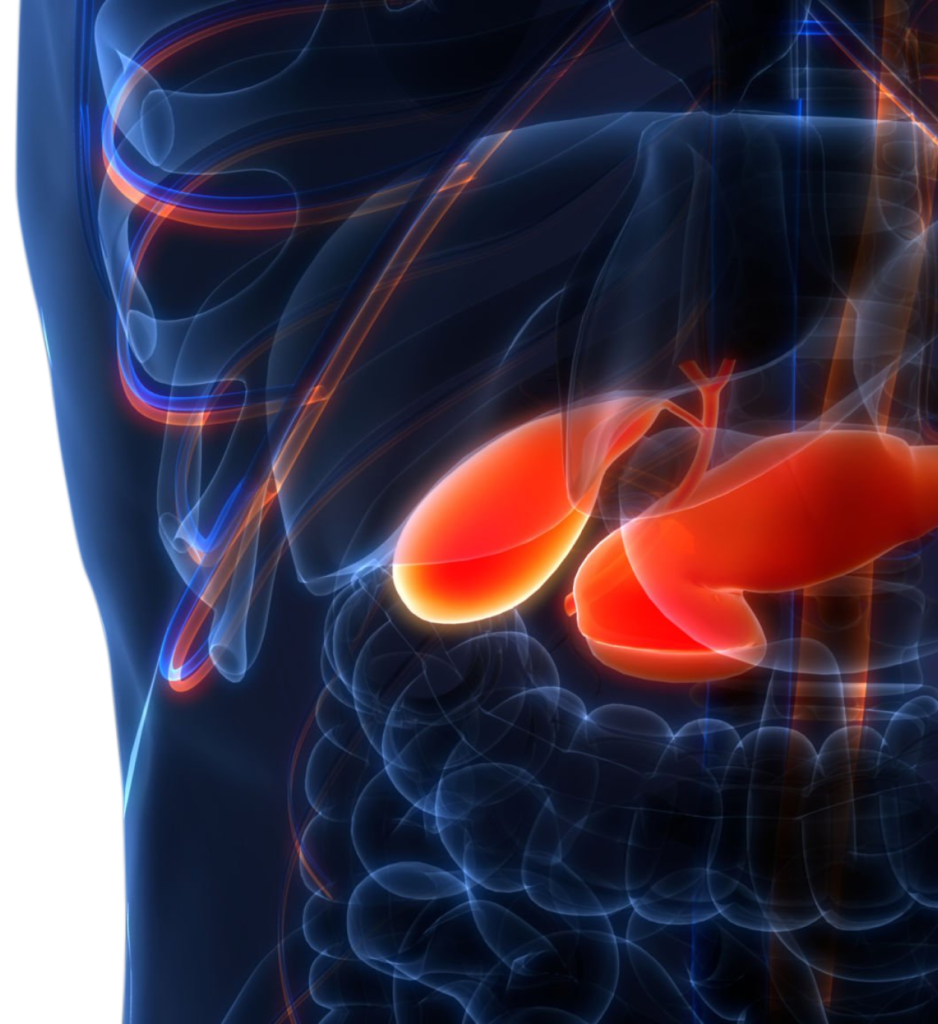
You may need to take several steps in the days leading up to surgery. These may include:
During surgery, an anesthesiologist administers anesthetic via an IV in the arm, putting the patient to sleep. Various tubes are inserted to support the body, depending on the type of surgery the individual is undergoing. Pancreatic surgeries are usually carried out using open surgery, but minimally invasive procedures such as laparoscopic or robotic surgery are available for easier recovery.
Following surgery, you will be sent to a hospital room, where your healthcare team will monitor your health and vital signs.You’ll gradually wean off pain medication, move around more, and transition from liquid to solid foods. Your healthcare team will monitor your digestion and blood glucose levels, adjusting your diet and prescription medications accordingly.
A: Recovery at home can take four to eight weeks, depending on your pre-operative condition, the extent of the operation, and whether you had minimally invasive or open surgery.
Copyright © 2026 Dr. Amol Jadhav All rights reserved