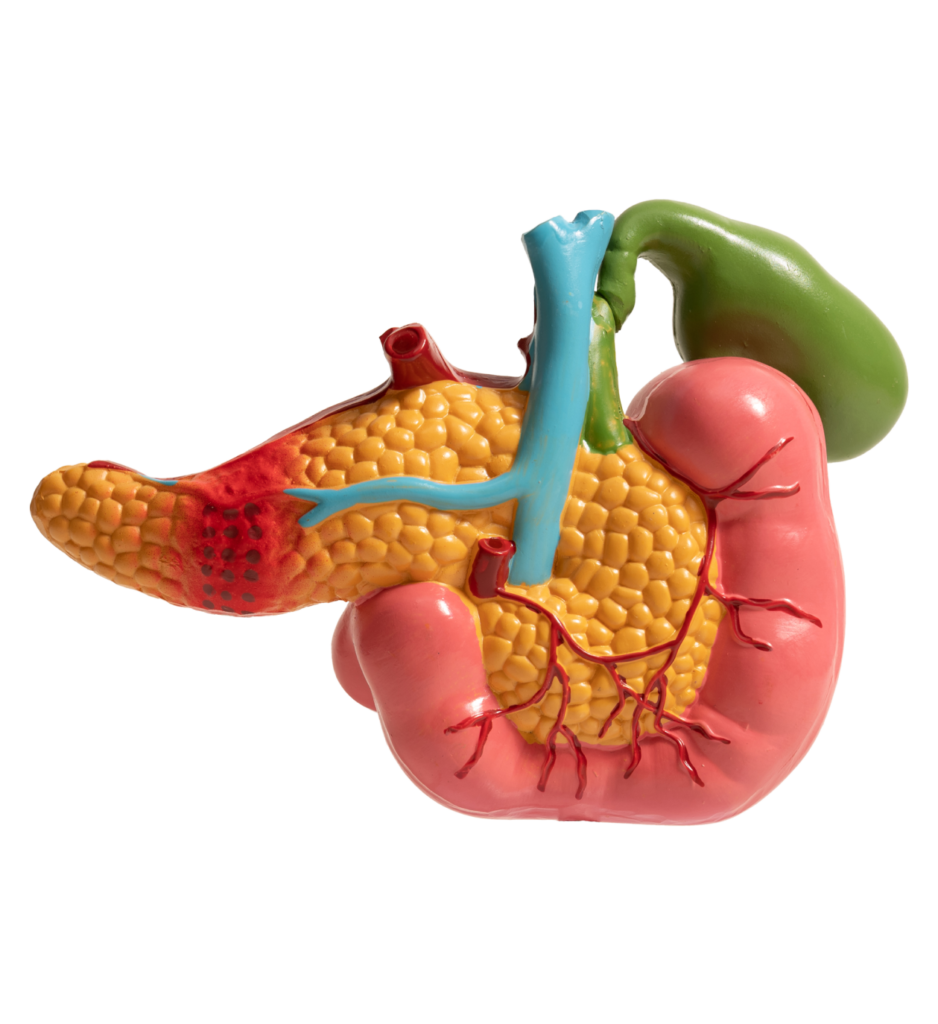
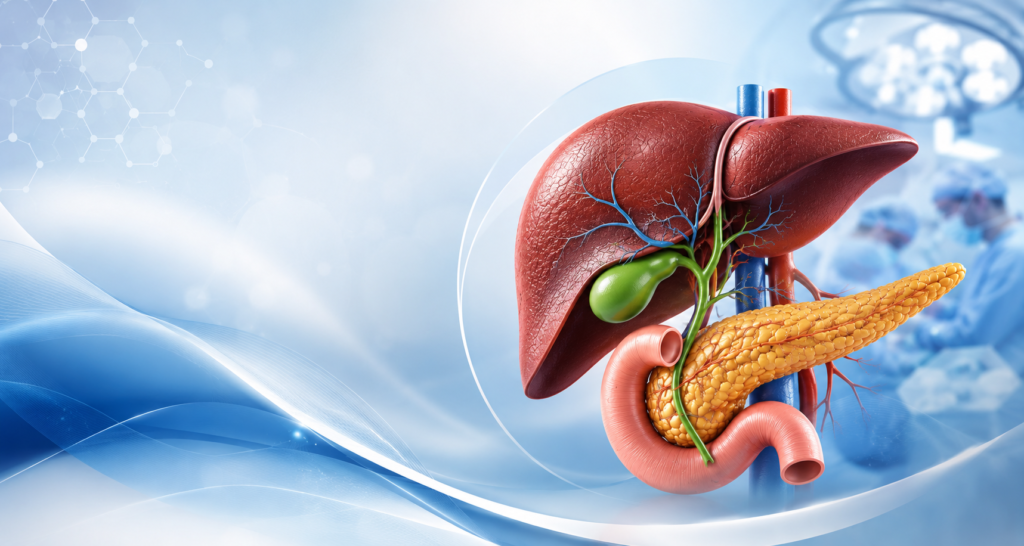
The liver and biliary tract were thought to be mystical organs with a complex anatomy, a vast array of functions, and remarkable regeneration potential for centuries. The treatment of hepatobiliary disease has undergone an enormous transformation in the last few decades. These advancements have largely been attributed to improved understanding of anatomy and physiology as well as a variety of newly developed diagnostic and therapeutic techniques. Surgery has played a key role in these developments. Such advances have led to the emergence of the specialty of hepato-pancreato-biliary surgery.
Hepato-pancreato-biliary (HPB) surgery encompasses general surgical management of diseases (both benign and malignant) of the liver, pancreas, gallbladder, and bile ducts. These are some of the most complicated and challenging surgeries, requiring a high level of competence and skill with a multi-disciplinary approach.
The understanding regarding entirely novel diagnostic and therapeutic approaches for the treatment of hepatic-pancreatic-biliary (HPB) disease is expanding at a fast pace. With the use of the latest techniques, hepatic-pancreatic-biliary (HPB) disorders can be diagnosed more accurately and treated with resection, ablation, or other appropriate measures more prudently.
Following are the diseases that can be treated with Hepato-Pancreato-Biliary (HPB) Surgery:
Diseases associated with liver:
Diseases associated with gallbladder:
Diseases associated with bile duct:
Diseases associated with Pancreas:
The pre-evaluation procedure for Hepato-Pancreato-Biliary (HPB) surgery may involve thorough evaluation of symptoms, medical history recording, and physical examination. Findings from these examinations, may call for the following investigations for reaching to a final diagnosis and chart-out the right treatment plan:

Like complicated gallbladder resections or major hepatic resections, are more complex surgeries. It involves wider incisions and complex therapeutic interventions.

Another minimally invasive procedure is laparoscopic surgery. This kind of surgery executes a variety of surgical procedures using small cuts and specialized instruments equipped with cameras. This method, which offers advantages like less postoperative pain and faster recovery, is widely utilized in HPB surgeries.
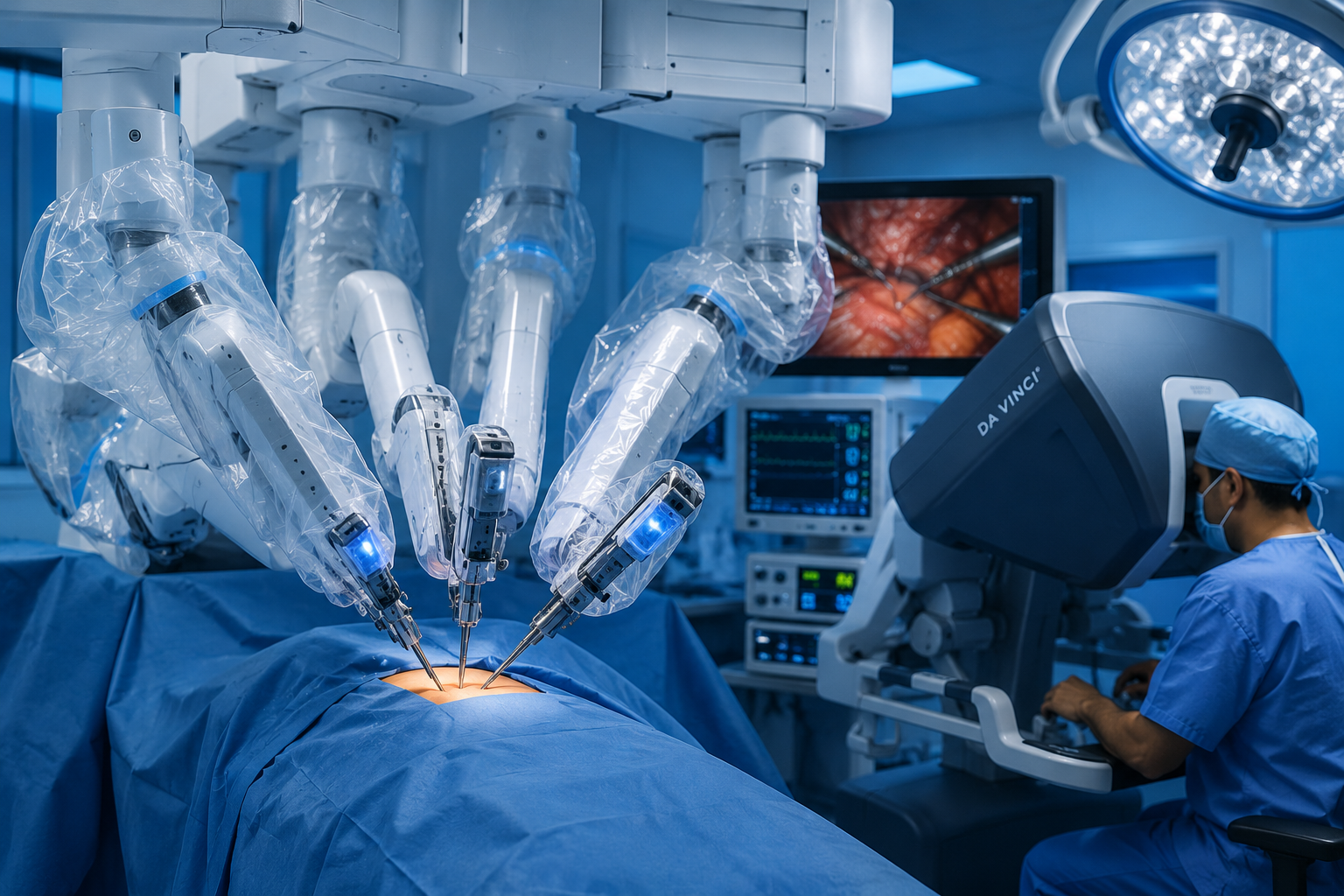
Is an advanced medical technique that employs robotic systems to precisely and specifically execute surgical procedures. This technique is widely utilized in HPB procedures and has benefits like improved dexterity and less invasive incisions.
A: Because nerves were cut during the procedure, the skin surrounding the incision may remain numb and may improve with time. To fully recover, it might take you four to eight weeks.
A: Postoperative complications from hepatobiliary surgery include urinary tract infection, subphrenic infection, venous catheter-related infection, incisional infection, pulmonary atelectasis or infection, intraperitoneal hemorrhage, and gastrointestinal tract bleeding. These complications are also common to general abdominal surgery.
A: Surgical subspecialty hepato-pancreato-biliary (HPB) surgery, also called hepatobiliary surgery, focuses on treating diseases of the liver, pancreas, bile duct, and gallbladder, including cancer.
A: Major hepatic resection and pancreatic surgery are two procedures that are included in hepato-pancreatico-biliary (HPB) surgery; both are intricate and carry a high risk of complications.
A: Three to seven small incisions are made to remove the liver mass after the patient is put to sleep with general anesthesia. The process can take one to seven hours, depending on the lesions as well as the volume of liver that needs to be removed.
Copyright © 2026 Dr. Amol Jadhav All rights reserved