
Liver Cancer Treatment in Pune: Causes, Symptoms, Diagnosis and Treatment Options
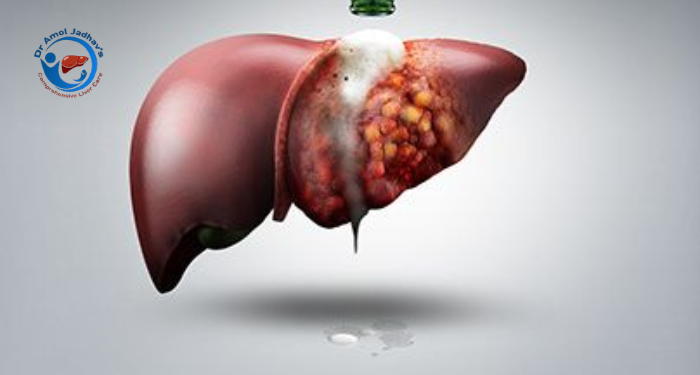
Liver cancer is a serious condition in which abnormal cells grow uncontrollably in the liver. It can develop directly in the liver, known as primary liver cancer, or cancer from another part of the body can spread to the liver, which is called secondary or metastatic liver cancer. Early evaluation and appropriate treatment planning are important because liver cancer can behave differently depending on its type, stage, liver function and overall health. If you or a family member has been diagnosed with liver cancer, consultation with an experienced liver and hepatobiliary specialist can help you understand the available treatment options. For patients looking for Liver Cancer Treatment in Pune, Dr. Amol Jadhav is a hepatopancreatobiliary (HPB) and liver transplant surgeon who treats liver diseases, including liver cancers and other complex hepatobiliary conditions. His professional profile also lists expertise in minimally invasive and laparoscopic surgery. What Is Liver Cancer? The liver is one of the body’s largest organs and performs several important functions, including processing nutrients, producing proteins, storing energy and helping remove waste products from the blood. Liver cancer occurs when cells in the liver develop abnormal changes that cause uncontrolled growth. The most common primary liver cancer in adults is hepatocellular carcinoma (HCC), which develops from hepatocytes, the main cells of the liver. Other less common types include intrahepatic cholangiocarcinoma, which develops from bile duct cells within the liver. The treatment approach depends on the specific type and characteristics of the cancer. What Causes Liver Cancer? Liver cancer can develop due to several risk factors. Some of the important factors associated with increased risk include: Not everyone with these risk factors develops liver cancer, and liver cancer can occasionally occur in people without obvious risk factors. Regular medical follow-up is particularly important for people with chronic liver disease or cirrhosis. Symptoms of Liver Cancer Early liver cancer may not always cause noticeable symptoms. As the disease progresses, some people may develop: These symptoms can occur with several other liver and digestive conditions, so they do not automatically indicate cancer. If symptoms persist or a person has an existing liver condition, medical evaluation is important. How Is Liver Cancer Diagnosed? The diagnostic process depends on the individual’s symptoms, medical history and suspected type of liver disease. A doctor may recommend blood tests to assess liver function and, in appropriate situations, tumor markers such as alpha-fetoprotein (AFP). Imaging plays an important role in evaluating liver abnormalities. Depending on the situation, doctors may use: In some cases, a biopsy may be required to examine tissue under a microscope. However, biopsy is not necessary in every suspected case because characteristic findings on appropriate imaging and clinical assessment may sometimes be sufficient. Liver Cancer Staging Once liver cancer is diagnosed, doctors need to determine its stage and assess how far it has spread. Treatment planning may consider: This information helps the medical team determine which treatment options may be appropriate. Liver Cancer Treatment in Pune Treatment for liver cancer is individualized. There is no single treatment that is suitable for every patient. Depending on the stage and characteristics of the cancer, treatment may include surgery, liver transplantation, ablation, embolization-based treatments, systemic medicines or a combination of approaches. Liver Surgery Surgical removal of the cancerous portion of the liver, known as liver resection, may be considered for selected patients. The possibility of surgery depends on factors such as tumor location, size, number of tumors, remaining liver function and the patient’s overall health. Liver surgery is a complex procedure and requires careful preoperative planning. Liver Transplantation For selected patients with liver cancer and underlying liver disease, liver transplantation may be considered. A transplant replaces the diseased liver with a healthy donor liver. However, not every liver cancer patient is eligible for transplantation. Eligibility depends on factors such as tumor characteristics, cancer spread, liver function and established transplant criteria. Dr. Amol Jadhav’s professional profile identifies him as a liver and multi-organ transplant surgeon, with experience in liver transplantation and management of complex liver diseases and cancers. Ablation Treatments For certain small liver tumors, local treatments such as thermal ablation may be considered. These techniques use heat or other energy to destroy selected tumor tissue. Whether ablation is appropriate depends on tumor size, location, number and the patient’s overall condition. Transarterial Treatments Some liver cancers may be treated using procedures that deliver treatment directly through the blood vessels supplying the tumor. Examples include transarterial chemoembolization (TACE) and other embolization-based approaches. These treatments may be considered when surgery or other curative approaches are not suitable or as part of a broader treatment strategy. Systemic Treatment For advanced liver cancer, medicines that work throughout the body may be recommended. Depending on the type and stage of cancer, treatment may include targeted therapies or immunotherapy. The choice of medicine depends on the cancer’s characteristics, liver function, previous treatments and the patient’s overall health. Why Multidisciplinary Care Matters Liver cancer can involve both cancer management and complex liver disease. Treatment planning may therefore involve multiple specialists, including liver surgeons, oncologists, hepatologists, radiologists and other healthcare professionals. A multidisciplinary approach can help evaluate different treatment possibilities and develop an individualized plan. Dr. Amol Jadhav’s profile describes his practice as including HPB surgery, liver transplantation and minimally invasive surgery, with experience in complex hepatobiliary procedures. Can Liver Cancer Be Prevented? Not every case of liver cancer can be prevented, but several measures can reduce certain risk factors. These include: People with chronic liver disease may require regular liver monitoring as advised by their healthcare professional. When Should You Consult a Liver Specialist? You should seek medical evaluation if you have persistent abdominal discomfort, unexplained weight loss, jaundice, abdominal swelling or other concerning symptoms. People who already have cirrhosis, chronic hepatitis or another significant liver condition should follow their recommended monitoring schedule. If an imaging scan or blood test has identified a liver lesion, timely consultation can help determine whether additional testing or treatment is required. Dr. Amol Jadhav for Liver Cancer Care in
Liver Swelling: Causes, Symptoms, Diagnosis and Treatment
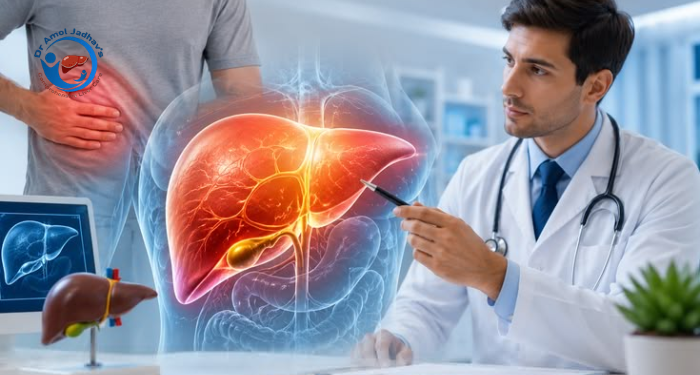
Liver swelling means that the liver has become larger than its normal size. The medical term for an enlarged liver is hepatomegaly. It is not a disease by itself. Instead, it can be a sign of an underlying health problem that needs proper medical evaluation. The liver is one of the most important organs in the body. It helps process nutrients, removes certain harmful substances from the blood, produces bile for digestion, and supports many essential body functions. When the liver is affected by infection, fat accumulation, inflammation, or another condition, its size may increase. Understanding the possible causes and symptoms of liver swelling can help you seek timely medical care. What Is Liver Swelling? A healthy liver is located on the upper right side of the abdomen, below the ribs. Normally, it has a specific size and shape. When the liver becomes enlarged, it may sometimes extend beyond its normal position. Some people with liver swelling may not have any noticeable symptoms. It may be discovered during a routine examination or an ultrasound scan done for another reason. In other cases, a person may experience abdominal discomfort, fullness, tiredness, or other symptoms depending on the underlying cause. Common Causes of Liver Swelling Several health conditions can cause the liver to become enlarged. 1. Fatty Liver Fatty liver is one of the common causes of liver enlargement. It happens when excess fat builds up inside liver cells. Fatty liver can be associated with: ❯❯ Being overweight or obese❯❯ Diabetes❯❯ High cholesterol or triglycerides❯❯ Lack of physical activity❯❯ Certain medications❯❯ Alcohol consumption Many people with fatty liver do not experience symptoms in the early stages. However, some may have tiredness or mild discomfort in the upper right abdomen. Healthy eating, regular physical activity, weight management, and appropriate medical care can help manage fatty liver. 2. Hepatitis Hepatitis means inflammation of the liver. It can occur because of viral infections, alcohol, certain medicines, autoimmune conditions, or other causes. Depending on the type and severity, hepatitis may cause: ❯❯ Tiredness❯❯ Loss of appetite❯❯ Nausea❯❯ Abdominal discomfort❯❯ Yellowing of the eyes or skin❯❯ Dark-colored urine Some forms of hepatitis can become chronic and may require regular medical monitoring. 3. Alcohol-Related Liver Disease Regular excessive alcohol consumption can damage liver cells. Over time, it can contribute to fatty liver, inflammation, scarring, and cirrhosis. Reducing or avoiding alcohol, along with appropriate medical care, is important for protecting liver health. 4. Cirrhosis Cirrhosis occurs when long-term liver damage causes significant scarring. The liver may become enlarged during certain stages of liver disease. Common causes include chronic viral hepatitis, alcohol-related liver disease, fatty liver disease, and other chronic conditions. Advanced cirrhosis can affect the liver’s ability to perform its normal functions. 5. Liver Infections Certain infections can affect the liver and cause inflammation or enlargement. Depending on the infection, a person may experience fever, abdominal discomfort, tiredness, or other symptoms. The cause of the infection needs to be identified before appropriate treatment can be started. 6. Liver Cysts or Tumors Certain cysts, benign growths, or tumors can affect liver size. Not every liver lesion is cancerous, but any unusual finding on an imaging test should be evaluated by an appropriate specialist. Further tests may be recommended depending on the size, appearance, and other clinical factors. Symptoms of Liver Swelling Liver swelling does not always cause symptoms. When symptoms occur, they may include: ❯❯ Discomfort or pain in the upper right abdomen❯❯ Feeling full quickly❯❯ Abdominal heaviness❯❯ Tiredness❯❯ Loss of appetite❯❯ Nausea❯❯ Yellowing of the eyes or skin❯❯ Dark urine❯❯ Swelling in the abdomen or legs in advanced liver disease These symptoms can occur with many other health conditions, so they should not be used for self-diagnosis. How Is Liver Swelling Diagnosed? A doctor may begin with a physical examination and medical history. If liver enlargement is suspected, different tests may be recommended. Blood Tests Liver function tests can provide information about how the liver is working. Doctors may also recommend tests for viral hepatitis and other conditions depending on the patient’s symptoms and medical history. Ultrasound An abdominal ultrasound is commonly used to examine the liver. It can help assess liver size, fat accumulation, and certain structural changes. CT or MRI In selected cases, CT or MRI scans may provide more detailed information about the liver and surrounding structures. Other Tests Depending on the suspected condition, doctors may recommend additional investigations to determine the exact cause of liver swelling. Treatment for Liver Swelling There is no single treatment for liver swelling because the treatment depends on its cause. For fatty liver, doctors may recommend weight management, regular exercise, a balanced diet, and control of conditions such as diabetes and high cholesterol. For hepatitis, treatment depends on the type and cause. Certain viral hepatitis infections have specific medical treatments. If medications are contributing to liver problems, the doctor may review them and make changes when appropriate. Never stop prescribed medicines without discussing them with your doctor. For advanced liver disease, specialized treatment and regular monitoring may be required. When Is Liver Transplantation Considered? Not everyone with liver swelling needs a transplant. Liver transplantation is generally considered for selected patients with severe or irreversible liver disease when the liver can no longer perform its essential functions adequately. A liver transplant surgeon works as part of a specialized transplant team to evaluate suitable patients and discuss available treatment options. The evaluation may include blood tests, imaging, assessment of overall health, and detailed examination of the liver condition. A transplant is a major medical procedure and requires careful preparation and long-term follow-up. How Can You Take Care of Your Liver? Good liver care starts with healthy everyday habits. ❯❯ Maintain a healthy body weight.❯❯ Eat a balanced diet with vegetables, fruits, whole grains, and appropriate protein.❯❯ Limit foods high in excess sugar and unhealthy fats.❯❯ Exercise regularly according to your health condition.❯❯ Avoid unnecessary medicines and supplements.❯❯ Follow medical advice for diabetes and cholesterol.❯❯ Take recommended precautions against hepatitis infections.❯❯ Avoid
Liver Health: Common Problems, Warning Signs and the Importance of Specialist Care

Understanding the Importance of Liver Health The liver is one of the body’s most important organs and performs several essential functions. It helps process nutrients, supports digestion, stores certain vitamins and minerals, produces proteins involved in blood clotting and helps the body process various substances. Because of these functions, maintaining good liver health is an important part of overall wellness. Liver problems can develop for many different reasons, including metabolic conditions, viral infections, alcohol use, certain medicines and inherited conditions. Some liver conditions may not cause noticeable symptoms in their early stages, which is why timely evaluation and appropriate health checks can be valuable. If you are looking for a Liver Specialist in Pune, a qualified liver specialist or hepatologist can evaluate liver-related concerns, interpret test results and recommend appropriate management based on individual needs. What Does a Liver Specialist Do? A liver specialist, commonly known as a hepatologist, focuses on conditions affecting the liver and related organs. Patients may be referred to a liver specialist when they have abnormal liver test results, fatty liver, hepatitis, unexplained symptoms or an established liver condition. During a consultation, the specialist may review: ❯❯ Current symptoms ❯❯ Previous medical history ❯❯ Blood test reports ❯❯ Ultrasound or other imaging reports ❯❯ Current medicines and supplements ❯❯ Lifestyle and dietary habits ❯❯ Family history of liver conditions Keeping previous reports and a complete list of medicines and supplements can make a specialist consultation more useful. Common Liver Problems Liver conditions can range from mild concerns to conditions requiring long-term medical monitoring. Some commonly encountered problems include: ❯❯ Fatty liver ❯❯ Hepatitis ❯❯ Liver fibrosis ❯❯ Liver cirrhosis ❯❯ Alcohol-related liver conditions ❯❯ Autoimmune liver conditions ❯❯ Certain liver tumours The cause, severity and treatment approach can vary considerably from one person to another. Fatty Liver: A Common Concern Fatty liver is a condition in which excess fat accumulates in the liver. Metabolic dysfunction-associated steatotic liver disease, or MASLD, is associated with factors such as excess weight, diabetes, high blood pressure and high cholesterol. One important feature of fatty liver is that many people may not experience obvious symptoms. It may instead be discovered during routine blood tests or abdominal imaging performed for another reason. When symptoms do occur, some people may experience tiredness or discomfort in the upper-right area of the abdomen. Managing associated metabolic factors, maintaining a healthy weight, eating a balanced diet and staying physically active can be important parts of liver care. Individual recommendations should always be discussed with a healthcare professional. Understanding Hepatitis Hepatitis means inflammation of the liver. It can have several causes, including viral infections, alcohol, certain medicines and autoimmune conditions. Viral hepatitis includes hepatitis A, B, C, D and E. Different types have different causes, transmission patterns and treatment approaches. Some forms of hepatitis may resolve, while others can become long-term conditions and potentially contribute to liver scarring. Appropriate testing is important when hepatitis is suspected because symptoms alone may not identify the specific cause. A liver specialist can recommend relevant blood tests and further evaluation depending on the patient’s medical history and symptoms. Liver Fibrosis and Cirrhosis Long-term liver injury can cause fibrosis, which refers to the development of scar tissue. If liver damage continues, significant scarring can progress to cirrhosis. Cirrhosis may develop due to chronic viral hepatitis, long-term alcohol-related liver damage and metabolic liver conditions, among other causes. In its early stages, cirrhosis may not cause obvious symptoms. As liver damage becomes more advanced, symptoms may include: ❯❯ Persistent tiredness ❯❯ Loss of appetite ❯❯ Easy bruising or bleeding ❯❯ Swelling of the legs and feet ❯❯ Abdominal swelling ❯❯ Itchy skin ❯❯ Yellowing of the eyes or skin ❯❯ Confusion or changes in alertness Advanced liver disease can lead to serious complications, making regular medical monitoring important. Signs That Should Not Be Ignored Liver conditions do not always produce noticeable symptoms early. However, persistent or unusual symptoms should be discussed with a healthcare professional. Possible warning signs include: ❯❯ Yellowing of the skin or eyes ❯❯ Dark-coloured urine ❯❯ Persistent nausea ❯❯ Loss of appetite ❯❯ Unexplained weight changes ❯❯ Ongoing fatigue ❯❯ Abdominal swelling ❯❯ Swelling around the ankles or legs ❯❯ Easy bruising ❯❯ Persistent abdominal discomfort These symptoms can occur due to several conditions and do not necessarily mean that a person has liver disease. Proper medical evaluation is needed to determine the underlying cause. How Is Liver Health Checked? A liver specialist may recommend different investigations depending on symptoms, medical history and previous reports. Common evaluations may include: ❯❯ Liver enzyme and liver function tests ❯❯ Complete blood count ❯❯ Blood sugar and HbA1c ❯❯ Cholesterol and triglyceride testing ❯❯ Hepatitis-related blood tests ❯❯ Abdominal ultrasound ❯❯ FibroScan or other liver stiffness assessment ❯❯ CT or MRI when clinically required Not every patient needs all these investigations. The specialist decides which tests are appropriate based on the individual situation. Why Early Liver Evaluation Matters Some liver conditions can progress quietly. For example, fatty liver may not cause noticeable symptoms, while significant liver scarring may also remain unnoticed during its early stages. Early evaluation can help identify potential risk factors and determine whether lifestyle changes, monitoring, medicines or additional investigations are required. People with diabetes, excess weight, high cholesterol, high blood pressure, viral hepatitis or a history of significant alcohol use may need particular attention to liver health. Lifestyle Habits for Better Liver Health Healthy lifestyle habits can support liver health, particularly for people with metabolic risk factors. Some useful habits include: ❯❯ Maintain a healthy weight. ❯❯ Follow a balanced diet rich in vegetables, fruits and whole grains. ❯❯ Limit excessive sugar and highly processed foods. ❯❯ Exercise regularly according to your health condition. ❯❯ Manage diabetes, blood pressure and cholesterol. ❯❯ Avoid unnecessary medicines and supplements. ❯❯ Discuss herbal supplements with your doctor before using them. ❯❯ Avoid alcohol if you have liver disease or have been advised to do so by your doctor. Healthy eating, physical
How Organ Donation Helps Others – The Gift of Life Through Liver Transplantation
Organ donation is one of the most meaningful ways a person can help another individual. By donating organs when medically and legally possible, one person can potentially give others an opportunity for life-saving transplantation. Organs such as the liver, kidneys, heart, lungs and pancreas may be transplanted into patients with advanced organ failure. Among these, liver transplantation is particularly important for people with severe liver conditions where the liver can no longer perform its essential functions adequately. For such patients, transplantation may offer an opportunity for improved health and quality of life. Awareness about organ donation is especially important in cities such as Pune, Nashik, Navi Mumbai and Chhatrapati Sambhajinagar, where patients and families may seek specialized transplant evaluation and care. What Is Organ Donation? Organ donation is the process through which a person voluntarily allows their organs or tissues to be donated for transplantation, either during life in specific legally permitted circumstances or after death. According to the National Organ and Tissue Transplant Organization (NOTTO), organs including the heart, lungs, kidneys, liver, pancreas and intestine can be donated under appropriate circumstances. A living donor may donate a kidney or a portion of the liver within the applicable medical and legal framework. Deceased donation can potentially help multiple recipients because more than one organ may be suitable for transplantation. ZTCC Pune explains that deceased organ donation can provide organs to multiple patients suffering from end-stage organ failure. How Does Organ Donation Help Others? The most important benefit of organ donation is that it can provide a transplant opportunity to someone whose organ has reached advanced failure. For a recipient, a suitable donated organ may mean: Organ donation therefore has an impact that extends beyond the recipient. It can also bring hope to families who have been living with the uncertainty associated with advanced organ failure. The Importance of Liver Donation The liver performs many essential functions, including processing nutrients, producing important proteins and helping the body process various substances. When advanced liver disease significantly affects liver function, transplantation may become an important treatment option for selected patients. Liver transplantation can involve either a deceased donor liver or, in appropriate circumstances, a portion of a liver from a living donor. NOTTO notes that a portion of the liver can be donated by an eligible living donor under the applicable legal and medical framework, and that liver tissue can regenerate in both donor and recipient. A Liver Transplant Surgeon in Pune can evaluate patients who may require transplantation and coordinate with hepatologists, anesthetists, critical-care specialists and other members of a transplant team. Living Donor and Deceased Donor Donation There are two important forms of organ donation. Living Organ Donation Living donation allows an eligible person to donate certain organs or a portion of an organ during their lifetime. In liver transplantation, a suitable living donor may donate a portion of the liver. Living donation requires careful medical assessment to protect the donor’s health. Donor selection, compatibility, investigations and legal requirements are evaluated before transplantation. Deceased Organ Donation After death under medically and legally recognized circumstances, organs may be donated for transplantation. A deceased donor may potentially help several recipients. ZTCC Pune states that after brain death, organs such as the heart, liver, kidneys, pancreas, intestine and lungs may be donated, while certain tissues may also be donated after cardiac death. Why Organ Donation Awareness Is Important India has made significant progress in transplantation, but the demand for donated organs remains substantial. Government information released in February 2026 reported that India performed nearly 20,000 transplants in 2025 and that approximately 18% of transplants were performed using organs donated after death. More than 4.8 lakh citizens had registered to donate organs and tissues after death through Aadhaar-based verification since September 2023. These developments show the growing importance of organ donation awareness. Every informed conversation can help people understand what donation means and how they can express their wishes. Organ Donation and Liver Transplantation in Maharashtra Maharashtra has established systems for coordinating deceased organ donation and allocation. ZTCC Pune, a non-profit organization formed by the Government of Maharashtra, maintains systems related to deceased donor organs and fair allocation. ZTCC Pune’s published 2025 data recorded 130 donated livers and 129 liver transplants across the reported Maharashtra centres in Pune, Mumbai, Nagpur and Aurangabad categories. The same report recorded 434 total organs donated and 425 organs transplanted. These figures highlight how organ donation can translate into actual transplant opportunities for patients. Organ Donation in Pune Pune is an important centre for transplant coordination and healthcare services in Maharashtra. ZTCC Pune works with donor hospitals and transplant centres to facilitate deceased organ donation and allocation. For patients looking for a Liver Transplant Surgeon in Pune, transplant evaluation generally involves more than surgery alone. Patients may require assessment by hepatology and transplant teams to determine whether transplantation is appropriate. Families can also play an important role in organ donation awareness by discussing their wishes openly and understanding the official donation process. Organ Donation in Nashik Nashik is also connected to Maharashtra’s organ donation network. ZTCC Pune reports that organs have been transported between Pune and several Maharashtra cities, including Nashik, as part of the state’s transplant coordination system. This demonstrates why timely coordination, transportation and communication between hospitals and transplant organizations are essential. Organs have limited preservation times, making efficient transportation an important part of transplantation. For patients seeking a Liver Transplant Surgeon in Nashik, early consultation and referral to an appropriate transplant centre can help determine the next steps when advanced liver disease is being evaluated. Organ Donation in Navi Mumbai Navi Mumbai and the Mumbai metropolitan region have access to established transplant coordination systems. ZTCC Mumbai maintains computerized waiting lists for organs including liver, kidney, heart and lung according to applicable priority criteria. The allocation process is coordinated through authorized systems rather than being based simply on personal preference. ZTCC Mumbai explains that liver allocation follows defined priority criteria, including provisions for super-urgent patients. Patients looking
When Do You Need a Liver Transplant? Signs, Eligibility & Recovery
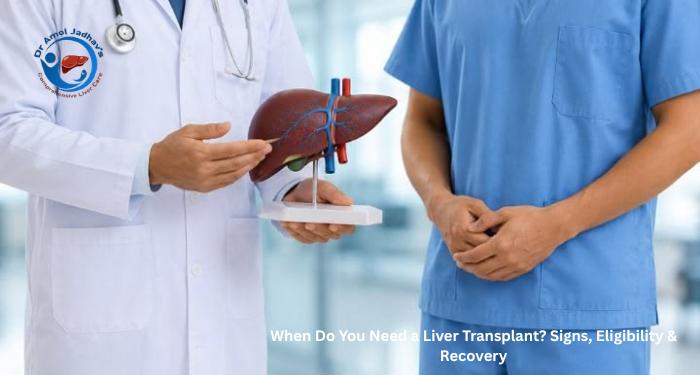
The liver is one of the most important organs in the human body. It performs hundreds of vital functions, including removing toxins, producing proteins, storing nutrients, and supporting digestion. When the liver becomes severely damaged and can no longer function properly, a liver transplant may become the best treatment option. Many people worry that a liver transplant is only performed in emergencies. In reality, careful evaluation by a Liver Specialist can identify patients who may benefit from transplantation before life-threatening complications occur. An experienced Liver Transplant Surgeon works closely with hepatologists, gastroenterologists, anesthesiologists, and transplant coordinators to provide comprehensive care before, during, and after the procedure. What Is a Liver Transplant? A liver transplant is a surgical procedure in which a diseased liver is replaced with a healthy liver from a deceased or living donor. It is recommended when the liver has been permanently damaged and is unable to perform its normal functions. Modern transplant techniques and post-operative care have significantly improved the success rate of liver transplantation, allowing many patients to return to healthy and productive lives. When Do You Need a Liver Transplant? A liver transplant is usually considered when other medical treatments are no longer effective and liver function continues to decline. Common conditions that may require transplantation include: A Liver Specialist evaluates each patient’s condition carefully before recommending transplantation. Signs That You May Need a Liver Transplant Severe liver disease often develops gradually. Recognizing the warning signs early can help patients receive timely treatment. Symptoms may include: These symptoms do not always indicate the need for transplantation, but they should be evaluated by a Liver Specialist without delay. Conditions That May Lead to Liver Transplantation Liver Cirrhosis Cirrhosis is one of the most common reasons for liver transplantation. Healthy liver tissue is gradually replaced by scar tissue, reducing the liver’s ability to function properly. Acute Liver Failure Acute liver failure develops rapidly and requires immediate medical attention. In some cases, emergency liver transplantation becomes necessary. Chronic Viral Hepatitis Long-standing hepatitis infections can gradually damage the liver and eventually lead to liver failure if left untreated. Fatty Liver Disease Advanced fatty liver disease may progress to cirrhosis and liver failure in certain individuals. Genetic Liver Disorders Some inherited conditions affect liver function and may eventually require transplantation. Liver Cancer Selected patients with early-stage liver cancer may benefit from liver transplantation after careful evaluation. Who Is Eligible for a Liver Transplant? Not every patient with liver disease requires transplantation. Eligibility depends on several factors, including: A transplant team performs detailed medical investigations before determining eligibility. Living Donor and Deceased Donor Liver Transplant There are two main types of liver transplantation. Living Donor Liver Transplant A healthy person donates a portion of their liver. Both the donor’s and recipient’s liver regenerate over time. Deceased Donor Liver Transplant The entire liver is obtained from a deceased donor after proper medical evaluation and organ donation consent. Your Liver Transplant Surgeon will explain which option is most suitable for your condition. Evaluation Before Liver Transplant Before surgery, patients undergo a detailed evaluation that may include: These investigations help determine whether transplantation is the safest option. The Liver Transplant Procedure The surgery is performed under general anesthesia by an experienced Liver Transplant Surgeon. During the procedure: The duration of surgery varies depending on the patient’s condition and surgical complexity. Recovery After Liver Transplant Recovery begins immediately after surgery. Initially, patients are closely monitored in the intensive care unit before being shifted to a regular hospital room. Recovery includes: Most patients gradually regain strength over several weeks or months. Life After Liver Transplant A successful liver transplant allows many people to return to work, travel, and enjoy normal daily activities. To protect the transplanted liver, patients should: Long-term follow-up is essential for maintaining good liver health. Why Early Consultation Is Important Many people ignore early symptoms of liver disease until complications develop. Consulting a Liver Specialist early offers several benefits: Early treatment may delay or even prevent the need for transplantation in some patients. Why Choose an Experienced Liver Transplant Surgeon? Liver transplantation is a highly specialized procedure that requires expertise and a multidisciplinary approach. An experienced Liver Transplant Surgeon in Pune provides: Choosing a qualified transplant team improves safety and overall treatment outcomes. Conclusion A liver transplant can be a life-saving treatment for people with advanced liver disease or liver failure. Recognizing the warning signs, seeking early medical advice, and undergoing timely evaluation are essential for successful treatment. If you or a loved one has been diagnosed with severe liver disease, consult an experienced Liver Specialist and Liver Transplant Surgeon to understand the available treatment options and determine whether liver transplantation is appropriate. Frequently Asked Questions 1. When is a liver transplant necessary? A liver transplant is considered when the liver is permanently damaged and cannot function properly despite medical treatment. 2. What are the common signs of liver failure? Common symptoms include jaundice, abdominal swelling, fatigue, confusion, weight loss, itching, and easy bruising. 3. Can a living person donate part of their liver? Yes. In a living donor liver transplant, a healthy donor can donate a portion of their liver, which can regenerate over time. 4. How long does recovery take after a liver transplant? Recovery varies from person to person. Most patients gradually recover over several weeks to months with proper follow-up and medication. 5. Can you live a normal life after a liver transplant? Yes. With regular follow-up, prescribed medications, a healthy lifestyle, and ongoing care from a Liver Specialist, many patients return to normal daily activities.
Advanced Liver Cancer Treatment: Diagnosis, Care & Recovery
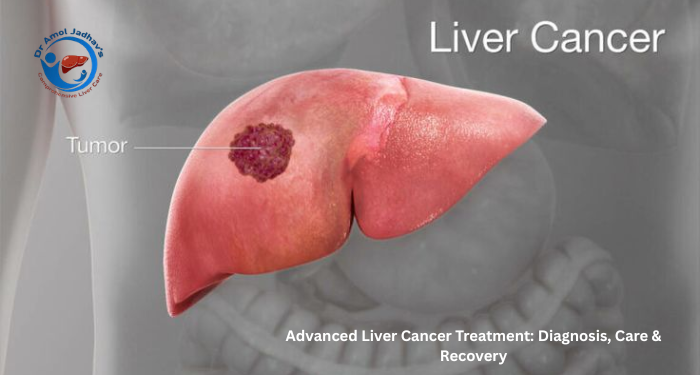
Liver cancer is a serious condition that requires timely diagnosis and expert medical care. While it can develop silently in its early stages, advancements in modern medicine have made treatment more effective than ever before. If you are looking for advanced Liver Cancer Treatment in Chhatrapati Sambhajinagar, Dr. Amol Jadhav offers comprehensive evaluation, personalized treatment planning, and compassionate care for patients with primary and secondary liver cancers. With expertise in hepatobiliary surgery and liver transplantation, Dr. Amol Jadhav provides evidence-based treatment tailored to each patient’s condition. Early diagnosis, proper staging, and a multidisciplinary approach play a vital role in improving treatment outcomes and quality of life. What Is Liver Cancer? Liver cancer occurs when abnormal cells in the liver begin to grow uncontrollably. The liver is one of the body’s most important organs, responsible for filtering toxins, producing bile, storing nutrients, and supporting metabolism. There are two main types of liver cancer: Primary Liver Cancer This begins in the liver itself. The most common type is Hepatocellular Carcinoma (HCC). Secondary (Metastatic) Liver Cancer This occurs when cancer spreads to the liver from another organ, such as the colon, pancreas, breast, or lungs. Understanding the type and stage of liver cancer helps determine the most suitable treatment plan. Common Risk Factors for Liver Cancer Several factors can increase the likelihood of developing liver cancer, including: People with chronic liver disease should undergo regular screening for early detection. Symptoms of Liver Cancer Liver cancer may not cause noticeable symptoms in the early stages. As the disease progresses, patients may experience: If these symptoms persist, consult a liver specialist without delay. How Is Liver Cancer Diagnosed? Early diagnosis greatly improves treatment outcomes. Dr. Amol Jadhav performs a detailed clinical evaluation using advanced diagnostic methods. Investigations may include: Accurate staging helps determine the best treatment strategy. Advanced Liver Cancer Treatment in Chhatrapati Sambhajinagar Patients searching for Liver Cancer Treatment in Chhatrapati Sambhajinagar can benefit from a personalized treatment approach based on: Every treatment plan is designed to provide the best possible clinical outcome while preserving liver function whenever possible. Treatment Options for Liver Cancer 1. Liver Surgery Surgical removal of the tumor is one of the most effective treatments when cancer is detected early and sufficient healthy liver tissue remains. The goal is complete removal of the cancer while preserving normal liver function. 2. Liver Transplant Patients with early-stage liver cancer and advanced liver cirrhosis may be suitable candidates for liver transplantation. As an experienced liver transplant surgeon, Dr. Amol Jadhav carefully evaluates patients to determine transplant eligibility and coordinates comprehensive pre- and post-transplant care. 3. Minimally Invasive Procedures Certain patients may benefit from minimally invasive treatments such as: These procedures can effectively control tumors while minimizing recovery time. 4. Targeted Therapy Advanced liver cancers may require targeted medications that specifically attack cancer cells while reducing damage to healthy tissue. These therapies are recommended based on individual clinical evaluation. 5. Immunotherapy Modern immunotherapy helps strengthen the body’s immune system to recognize and fight cancer cells. It has become an important treatment option for selected patients with advanced liver cancer. 6. Chemotherapy Although chemotherapy is less commonly used for primary liver cancer, it may be recommended in selected situations or for metastatic liver cancer. Treatment decisions are individualized based on each patient’s condition. Importance of a Multidisciplinary Approach Successful liver cancer treatment often requires collaboration among different medical specialists. Dr. Amol Jadhav works closely with: This coordinated approach ensures comprehensive care from diagnosis through recovery and long-term follow-up. Follow-Up Care After Liver Cancer Treatment Regular follow-up is essential after treatment to monitor recovery and detect any recurrence at an early stage. Follow-up may include: Consistent monitoring helps improve long-term outcomes. Lifestyle Tips for Better Liver Health Maintaining liver health plays an important role during and after treatment. Patients are advised to: Healthy lifestyle habits support recovery and overall well-being. Why Choose Dr. Amol Jadhav? Patients seeking Liver Cancer Treatment in Chhatrapati Sambhajinagar trust Dr. Amol Jadhav because of his expertise in managing complex liver diseases and hepatobiliary conditions. Highlights include: Every patient receives personalized care designed to achieve the best possible treatment outcomes. When Should You Consult a Liver Specialist? Seek medical attention if you have: Early consultation allows timely diagnosis and more effective treatment. Conclusion Liver cancer is a complex disease, but advances in diagnosis and treatment have significantly improved patient outcomes. Early detection, accurate diagnosis, and individualized treatment planning are key to successful management. If you are looking for advanced Liver Cancer Treatment in Chhatrapati Sambhajinagar, Dr. Amol Jadhav provides expert evaluation, comprehensive treatment planning, liver tumour management, surgical expertise, and coordinated care tailored to each patient’s needs. From early-stage tumors to complex liver conditions, every patient receives compassionate, evidence-based treatment aimed at improving survival, preserving liver function, and enhancing quality of life. Frequently Asked Questions 1. What are the early signs of liver cancer?Early signs may include fatigue, unexplained weight loss, abdominal pain, loss of appetite, jaundice, and abdominal swelling. 2. Can liver cancer be cured?If diagnosed at an early stage, liver cancer can often be treated successfully with surgery or liver transplantation. Treatment success depends on the stage and overall liver health. 3. Who is at higher risk of developing liver cancer?People with hepatitis B or C, liver cirrhosis, fatty liver disease, heavy alcohol use, obesity, or diabetes have a higher risk. 4. Is liver cancer treatment personalized?Yes. Treatment is tailored based on the cancer stage, liver function, overall health, and individual patient needs. 5. Why is early diagnosis important?Early diagnosis increases the chances of successful treatment, allows for more treatment options, and improves long-term outcomes.
Why Your Liver Is Your Body’s Natural Detoxifier and How to Keep It Healthy
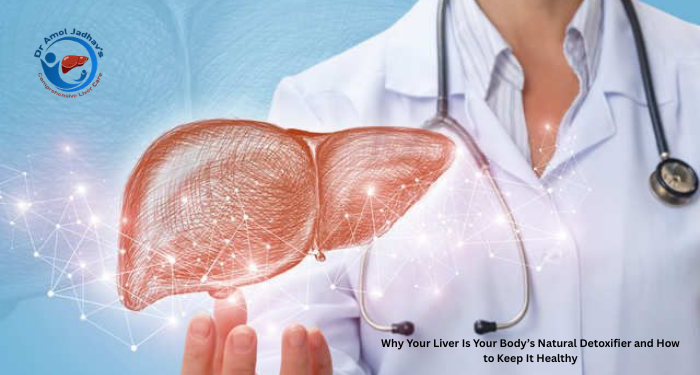
The liver is one of the most important organs in the human body. It performs more than 500 vital functions, including detoxifying harmful substances, processing nutrients, and supporting digestion. Often called the body’s natural filter, the liver works continuously to remove toxins and maintain overall health. However, poor lifestyle habits, unhealthy diet, alcohol consumption, and infections can damage the liver over time. If you experience symptoms of liver dysfunction, consulting a Liver Specialist in Pune can help with early diagnosis and treatment. What Does the Liver Do? The liver plays a crucial role in maintaining your body’s internal balance: Because of these essential functions, maintaining liver health is critical for overall well-being. Why the Liver Is Called a Natural Detoxifier The liver filters blood coming from the digestive tract before it reaches the rest of the body. It breaks down harmful substances like alcohol, drugs, and toxins into safer compounds that can be eliminated through urine or stool. Unlike detox drinks or supplements, your liver already performs detoxification naturally and efficiently—if it is healthy. Common Causes of Liver Damage Several factors can affect liver health: Excess Alcohol Consumption Alcohol is one of the leading causes of liver damage and fatty liver disease. Unhealthy Diet High-fat, processed, and sugary foods can lead to fatty liver. Viral Hepatitis Hepatitis B and C infections can cause long-term liver damage. Obesity Excess body fat increases fat accumulation in the liver. Medications Overuse of certain drugs can strain liver function. Early Signs of Liver Problems Liver disease often develops silently, but some symptoms may include: If you notice these signs, consult a Liver Specialist in Pune immediately. How to Keep Your Liver Healthy 1. Eat a Balanced Diet Include fruits, vegetables, whole grains, and lean proteins. Avoid junk and processed food. 2. Stay Hydrated Water helps the liver flush out toxins effectively. 3. Limit Alcohol Intake Avoid or reduce alcohol consumption to prevent liver damage. 4. Maintain a Healthy Weight Regular exercise helps prevent fatty liver disease. 5. Exercise Regularly Physical activity improves metabolism and liver function. 6. Avoid Unnecessary Medicines Do not self-medicate or overuse painkillers. 7. Get Vaccinated Vaccination against hepatitis A and B helps protect liver health. When Should You See a Liver Specialist? You should consult a Liver Specialist in Pune if you experience: Early diagnosis can prevent serious complications like cirrhosis or liver failure. Treatment Options for Liver Problems Treatment depends on the condition: Regular follow-ups with a liver specialist ensure better outcomes. Conclusion The liver is a powerful organ that naturally detoxifies your body and keeps you healthy. However, it needs proper care and a healthy lifestyle to function efficiently. Simple habits like eating right, exercising, and avoiding alcohol can go a long way in protecting liver health. If you have symptoms or risk factors, consult an experienced Liver Specialist in Pune for timely evaluation and treatment. FAQs 1. Does the liver need detox drinks or supplements? No. A healthy liver naturally detoxifies the body without special detox products. 2. What is fatty liver disease? It is a condition where excess fat accumulates in liver cells, often due to poor diet or obesity. 3. Can liver damage be reversed? Early-stage liver damage can often be managed or reversed with lifestyle changes and treatment. 4. What foods are good for liver health? Fruits, vegetables, whole grains, nuts, and lean proteins support liver function. 5. When should I see a liver specialist? If you have symptoms like jaundice, fatigue, abdominal pain, or abnormal liver tests, consult a specialist immediately.