Understanding Liver Disease: Early Signs, Treatment Options & When You Need a Liver Transplant
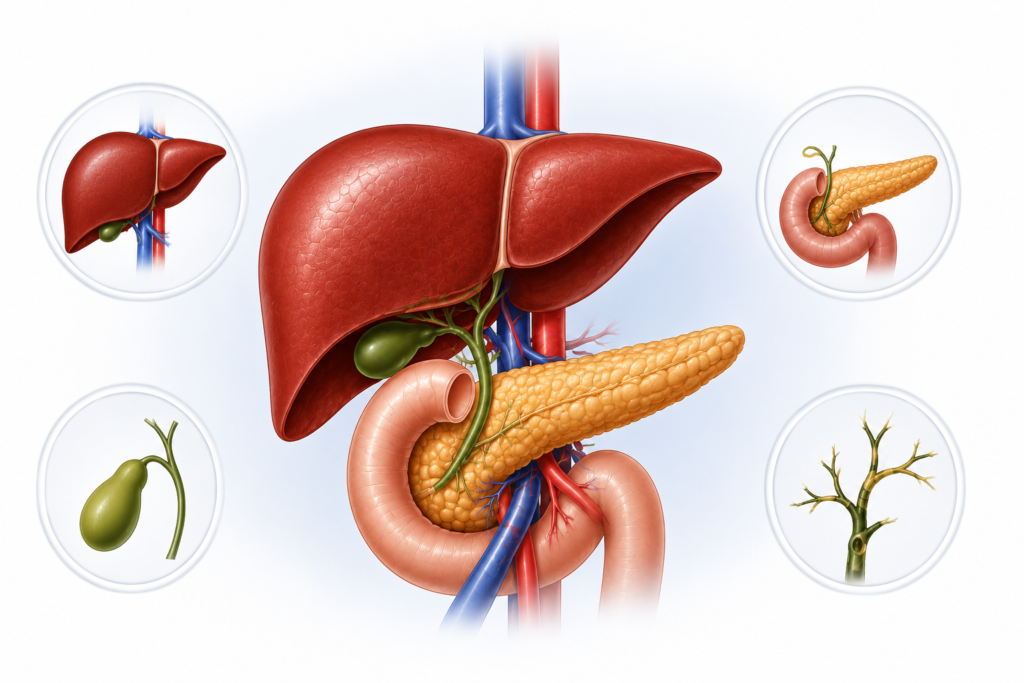
The liver is one of the most important organs in the human body. It performs over 500 vital functions, including detoxifying harmful substances, producing essential proteins, aiding digestion, and regulating metabolism. When the liver becomes damaged, it can significantly impact overall health and quality of life. What is Liver Disease? Liver disease refers to any condition that affects the normal functioning of the liver. It may develop gradually over several years or occur suddenly due to infections, toxins, or other medical conditions. Common liver diseases include: Fatty Liver Disease Liver Cirrhosis Hepatitis (A, B, C, D & E) Liver Failure Liver Cancer Jaundice Autoimmune Liver Diseases Genetic Liver Disorders Common Symptoms of Liver Disease Many liver diseases show no symptoms in the early stages. However, as the condition progresses, patients may experience: Yellowing of the eyes and skin (Jaundice) Abdominal swelling Fatigue and weakness Loss of appetite Nausea and vomiting Unexplained weight loss Dark-colored urine Easy bruising or bleeding Confusion or memory problems If you experience any of these symptoms, consult a liver specialist immediately. What Causes Liver Disease? Several factors can contribute to liver damage, including: Fatty Liver Disease Caused by excessive fat accumulation in the liver due to obesity, diabetes, high cholesterol, or unhealthy lifestyle habits. Alcohol Consumption Excessive alcohol intake can lead to alcoholic liver disease and cirrhosis. Viral Hepatitis Hepatitis B and C infections are among the leading causes of chronic liver disease worldwide. Genetic Disorders Conditions such as Wilson’s Disease and Hemochromatosis can affect liver function. Certain Medications and Toxins Long-term use of certain medications and exposure to harmful chemicals may damage the liver. Advanced Treatment Options for Liver Disease Modern medicine offers several effective treatments depending on the severity and cause of liver disease. Medical Management Early-stage liver disease can often be managed through medications, lifestyle modifications, and regular monitoring. Endoscopic & Interventional Procedures Advanced procedures can help manage complications such as variceal bleeding, bile duct obstruction, and portal hypertension. HPB Surgery Hepato-Pancreato-Biliary (HPB) surgery is used to treat conditions affecting the liver, pancreas, gallbladder, and bile ducts. Common HPB procedures include: Liver Resection Surgery Bile Duct Surgery Gallbladder Surgery Pancreatic Surgery Liver Tumor Removal When is a Liver Transplant Needed? A liver transplant becomes necessary when the liver can no longer perform its essential functions and other treatments are no longer effective. Conditions that may require liver transplantation include: End-Stage Liver Disease Advanced Cirrhosis Acute Liver Failure Liver Cancer (selected cases) Certain Metabolic Disorders Types of Liver Transplants Living Donor Liver Transplant A healthy individual donates a portion of their liver, which regenerates naturally in both donor and recipient. Deceased Donor Liver Transplant The liver is obtained from a brain-dead donor after proper medical and legal approvals. Pediatric Liver Transplant Specialized liver transplantation performed for infants and children with severe liver diseases. ABO Incompatible Liver Transplant Advanced transplant procedures allow successful transplantation even when blood groups are not perfectly matched in selected cases. Importance of Early Diagnosis Early detection significantly improves treatment outcomes and may prevent progression to liver failure. Regular screening is especially important for individuals with: Diabetes Obesity Family history of liver disease Hepatitis infection Excessive alcohol consumption Expert Liver Care You Can Trust With advances in liver transplantation, HPB surgery, and comprehensive liver disease management, thousands of patients successfully return to healthy and active lives every year. Timely diagnosis, expert care, and personalized treatment remain the key to achieving the best outcomes in liver disease management. Need Expert Consultation? If you are experiencing liver-related symptoms or seeking advanced liver treatment, consult Dr. Amol Jadhav, a specialist in Liver Transplantation, HPB Surgery, and Comprehensive Liver Care, for personalized evaluation and treatment guidance.