
When Do You Need a Liver Transplant? Signs, Eligibility & Recovery
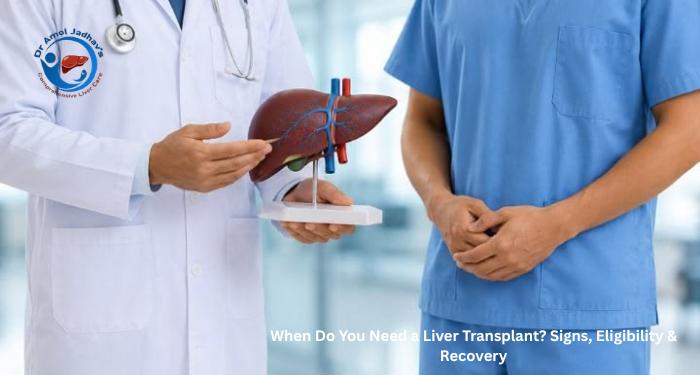
The liver is one of the most important organs in the human body. It performs hundreds of vital functions, including removing toxins, producing proteins, storing nutrients, and supporting digestion. When the liver becomes severely damaged and can no longer function properly, a liver transplant may become the best treatment option. Many people worry that a liver transplant is only performed in emergencies. In reality, careful evaluation by a Liver Specialist can identify patients who may benefit from transplantation before life-threatening complications occur. An experienced Liver Transplant Surgeon works closely with hepatologists, gastroenterologists, anesthesiologists, and transplant coordinators to provide comprehensive care before, during, and after the procedure. What Is a Liver Transplant? A liver transplant is a surgical procedure in which a diseased liver is replaced with a healthy liver from a deceased or living donor. It is recommended when the liver has been permanently damaged and is unable to perform its normal functions. Modern transplant techniques and post-operative care have significantly improved the success rate of liver transplantation, allowing many patients to return to healthy and productive lives. When Do You Need a Liver Transplant? A liver transplant is usually considered when other medical treatments are no longer effective and liver function continues to decline. Common conditions that may require transplantation include: A Liver Specialist evaluates each patient’s condition carefully before recommending transplantation. Signs That You May Need a Liver Transplant Severe liver disease often develops gradually. Recognizing the warning signs early can help patients receive timely treatment. Symptoms may include: These symptoms do not always indicate the need for transplantation, but they should be evaluated by a Liver Specialist without delay. Conditions That May Lead to Liver Transplantation Liver Cirrhosis Cirrhosis is one of the most common reasons for liver transplantation. Healthy liver tissue is gradually replaced by scar tissue, reducing the liver’s ability to function properly. Acute Liver Failure Acute liver failure develops rapidly and requires immediate medical attention. In some cases, emergency liver transplantation becomes necessary. Chronic Viral Hepatitis Long-standing hepatitis infections can gradually damage the liver and eventually lead to liver failure if left untreated. Fatty Liver Disease Advanced fatty liver disease may progress to cirrhosis and liver failure in certain individuals. Genetic Liver Disorders Some inherited conditions affect liver function and may eventually require transplantation. Liver Cancer Selected patients with early-stage liver cancer may benefit from liver transplantation after careful evaluation. Who Is Eligible for a Liver Transplant? Not every patient with liver disease requires transplantation. Eligibility depends on several factors, including: A transplant team performs detailed medical investigations before determining eligibility. Living Donor and Deceased Donor Liver Transplant There are two main types of liver transplantation. Living Donor Liver Transplant A healthy person donates a portion of their liver. Both the donor’s and recipient’s liver regenerate over time. Deceased Donor Liver Transplant The entire liver is obtained from a deceased donor after proper medical evaluation and organ donation consent. Your Liver Transplant Surgeon will explain which option is most suitable for your condition. Evaluation Before Liver Transplant Before surgery, patients undergo a detailed evaluation that may include: These investigations help determine whether transplantation is the safest option. The Liver Transplant Procedure The surgery is performed under general anesthesia by an experienced Liver Transplant Surgeon. During the procedure: The duration of surgery varies depending on the patient’s condition and surgical complexity. Recovery After Liver Transplant Recovery begins immediately after surgery. Initially, patients are closely monitored in the intensive care unit before being shifted to a regular hospital room. Recovery includes: Most patients gradually regain strength over several weeks or months. Life After Liver Transplant A successful liver transplant allows many people to return to work, travel, and enjoy normal daily activities. To protect the transplanted liver, patients should: Long-term follow-up is essential for maintaining good liver health. Why Early Consultation Is Important Many people ignore early symptoms of liver disease until complications develop. Consulting a Liver Specialist early offers several benefits: Early treatment may delay or even prevent the need for transplantation in some patients. Why Choose an Experienced Liver Transplant Surgeon? Liver transplantation is a highly specialized procedure that requires expertise and a multidisciplinary approach. An experienced Liver Transplant Surgeon in Pune provides: Choosing a qualified transplant team improves safety and overall treatment outcomes. Conclusion A liver transplant can be a life-saving treatment for people with advanced liver disease or liver failure. Recognizing the warning signs, seeking early medical advice, and undergoing timely evaluation are essential for successful treatment. If you or a loved one has been diagnosed with severe liver disease, consult an experienced Liver Specialist and Liver Transplant Surgeon to understand the available treatment options and determine whether liver transplantation is appropriate. Frequently Asked Questions 1. When is a liver transplant necessary? A liver transplant is considered when the liver is permanently damaged and cannot function properly despite medical treatment. 2. What are the common signs of liver failure? Common symptoms include jaundice, abdominal swelling, fatigue, confusion, weight loss, itching, and easy bruising. 3. Can a living person donate part of their liver? Yes. In a living donor liver transplant, a healthy donor can donate a portion of their liver, which can regenerate over time. 4. How long does recovery take after a liver transplant? Recovery varies from person to person. Most patients gradually recover over several weeks to months with proper follow-up and medication. 5. Can you live a normal life after a liver transplant? Yes. With regular follow-up, prescribed medications, a healthy lifestyle, and ongoing care from a Liver Specialist, many patients return to normal daily activities.