
Liver Cancer Treatment in Pune: Causes, Symptoms, Diagnosis and Treatment Options
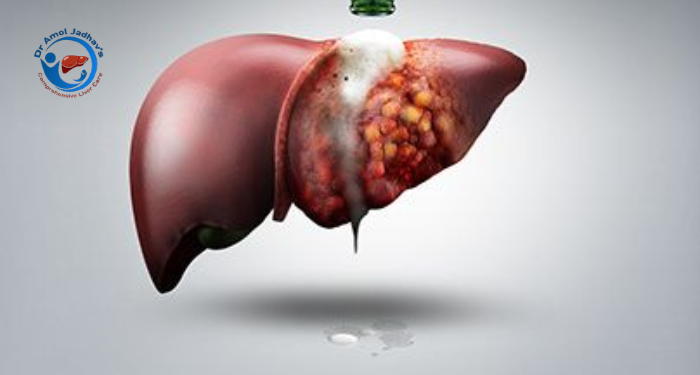
Liver cancer is a serious condition in which abnormal cells grow uncontrollably in the liver. It can develop directly in the liver, known as primary liver cancer, or cancer from another part of the body can spread to the liver, which is called secondary or metastatic liver cancer. Early evaluation and appropriate treatment planning are important because liver cancer can behave differently depending on its type, stage, liver function and overall health. If you or a family member has been diagnosed with liver cancer, consultation with an experienced liver and hepatobiliary specialist can help you understand the available treatment options. For patients looking for Liver Cancer Treatment in Pune, Dr. Amol Jadhav is a hepatopancreatobiliary (HPB) and liver transplant surgeon who treats liver diseases, including liver cancers and other complex hepatobiliary conditions. His professional profile also lists expertise in minimally invasive and laparoscopic surgery. What Is Liver Cancer? The liver is one of the body’s largest organs and performs several important functions, including processing nutrients, producing proteins, storing energy and helping remove waste products from the blood. Liver cancer occurs when cells in the liver develop abnormal changes that cause uncontrolled growth. The most common primary liver cancer in adults is hepatocellular carcinoma (HCC), which develops from hepatocytes, the main cells of the liver. Other less common types include intrahepatic cholangiocarcinoma, which develops from bile duct cells within the liver. The treatment approach depends on the specific type and characteristics of the cancer. What Causes Liver Cancer? Liver cancer can develop due to several risk factors. Some of the important factors associated with increased risk include: Not everyone with these risk factors develops liver cancer, and liver cancer can occasionally occur in people without obvious risk factors. Regular medical follow-up is particularly important for people with chronic liver disease or cirrhosis. Symptoms of Liver Cancer Early liver cancer may not always cause noticeable symptoms. As the disease progresses, some people may develop: These symptoms can occur with several other liver and digestive conditions, so they do not automatically indicate cancer. If symptoms persist or a person has an existing liver condition, medical evaluation is important. How Is Liver Cancer Diagnosed? The diagnostic process depends on the individual’s symptoms, medical history and suspected type of liver disease. A doctor may recommend blood tests to assess liver function and, in appropriate situations, tumor markers such as alpha-fetoprotein (AFP). Imaging plays an important role in evaluating liver abnormalities. Depending on the situation, doctors may use: In some cases, a biopsy may be required to examine tissue under a microscope. However, biopsy is not necessary in every suspected case because characteristic findings on appropriate imaging and clinical assessment may sometimes be sufficient. Liver Cancer Staging Once liver cancer is diagnosed, doctors need to determine its stage and assess how far it has spread. Treatment planning may consider: This information helps the medical team determine which treatment options may be appropriate. Liver Cancer Treatment in Pune Treatment for liver cancer is individualized. There is no single treatment that is suitable for every patient. Depending on the stage and characteristics of the cancer, treatment may include surgery, liver transplantation, ablation, embolization-based treatments, systemic medicines or a combination of approaches. Liver Surgery Surgical removal of the cancerous portion of the liver, known as liver resection, may be considered for selected patients. The possibility of surgery depends on factors such as tumor location, size, number of tumors, remaining liver function and the patient’s overall health. Liver surgery is a complex procedure and requires careful preoperative planning. Liver Transplantation For selected patients with liver cancer and underlying liver disease, liver transplantation may be considered. A transplant replaces the diseased liver with a healthy donor liver. However, not every liver cancer patient is eligible for transplantation. Eligibility depends on factors such as tumor characteristics, cancer spread, liver function and established transplant criteria. Dr. Amol Jadhav’s professional profile identifies him as a liver and multi-organ transplant surgeon, with experience in liver transplantation and management of complex liver diseases and cancers. Ablation Treatments For certain small liver tumors, local treatments such as thermal ablation may be considered. These techniques use heat or other energy to destroy selected tumor tissue. Whether ablation is appropriate depends on tumor size, location, number and the patient’s overall condition. Transarterial Treatments Some liver cancers may be treated using procedures that deliver treatment directly through the blood vessels supplying the tumor. Examples include transarterial chemoembolization (TACE) and other embolization-based approaches. These treatments may be considered when surgery or other curative approaches are not suitable or as part of a broader treatment strategy. Systemic Treatment For advanced liver cancer, medicines that work throughout the body may be recommended. Depending on the type and stage of cancer, treatment may include targeted therapies or immunotherapy. The choice of medicine depends on the cancer’s characteristics, liver function, previous treatments and the patient’s overall health. Why Multidisciplinary Care Matters Liver cancer can involve both cancer management and complex liver disease. Treatment planning may therefore involve multiple specialists, including liver surgeons, oncologists, hepatologists, radiologists and other healthcare professionals. A multidisciplinary approach can help evaluate different treatment possibilities and develop an individualized plan. Dr. Amol Jadhav’s profile describes his practice as including HPB surgery, liver transplantation and minimally invasive surgery, with experience in complex hepatobiliary procedures. Can Liver Cancer Be Prevented? Not every case of liver cancer can be prevented, but several measures can reduce certain risk factors. These include: People with chronic liver disease may require regular liver monitoring as advised by their healthcare professional. When Should You Consult a Liver Specialist? You should seek medical evaluation if you have persistent abdominal discomfort, unexplained weight loss, jaundice, abdominal swelling or other concerning symptoms. People who already have cirrhosis, chronic hepatitis or another significant liver condition should follow their recommended monitoring schedule. If an imaging scan or blood test has identified a liver lesion, timely consultation can help determine whether additional testing or treatment is required. Dr. Amol Jadhav for Liver Cancer Care in
Liver Swelling: Causes, Symptoms, Diagnosis and Treatment
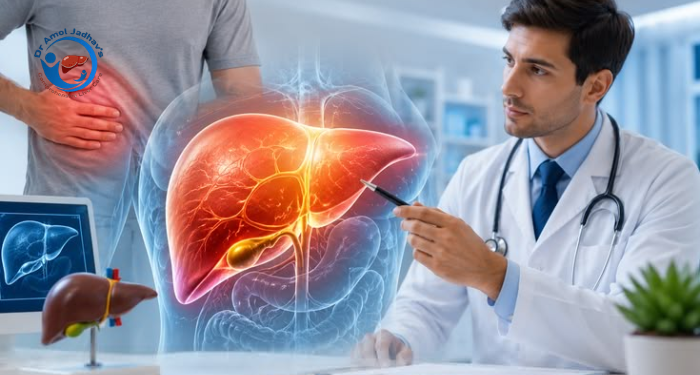
Liver swelling means that the liver has become larger than its normal size. The medical term for an enlarged liver is hepatomegaly. It is not a disease by itself. Instead, it can be a sign of an underlying health problem that needs proper medical evaluation. The liver is one of the most important organs in the body. It helps process nutrients, removes certain harmful substances from the blood, produces bile for digestion, and supports many essential body functions. When the liver is affected by infection, fat accumulation, inflammation, or another condition, its size may increase. Understanding the possible causes and symptoms of liver swelling can help you seek timely medical care. What Is Liver Swelling? A healthy liver is located on the upper right side of the abdomen, below the ribs. Normally, it has a specific size and shape. When the liver becomes enlarged, it may sometimes extend beyond its normal position. Some people with liver swelling may not have any noticeable symptoms. It may be discovered during a routine examination or an ultrasound scan done for another reason. In other cases, a person may experience abdominal discomfort, fullness, tiredness, or other symptoms depending on the underlying cause. Common Causes of Liver Swelling Several health conditions can cause the liver to become enlarged. 1. Fatty Liver Fatty liver is one of the common causes of liver enlargement. It happens when excess fat builds up inside liver cells. Fatty liver can be associated with: ❯❯ Being overweight or obese❯❯ Diabetes❯❯ High cholesterol or triglycerides❯❯ Lack of physical activity❯❯ Certain medications❯❯ Alcohol consumption Many people with fatty liver do not experience symptoms in the early stages. However, some may have tiredness or mild discomfort in the upper right abdomen. Healthy eating, regular physical activity, weight management, and appropriate medical care can help manage fatty liver. 2. Hepatitis Hepatitis means inflammation of the liver. It can occur because of viral infections, alcohol, certain medicines, autoimmune conditions, or other causes. Depending on the type and severity, hepatitis may cause: ❯❯ Tiredness❯❯ Loss of appetite❯❯ Nausea❯❯ Abdominal discomfort❯❯ Yellowing of the eyes or skin❯❯ Dark-colored urine Some forms of hepatitis can become chronic and may require regular medical monitoring. 3. Alcohol-Related Liver Disease Regular excessive alcohol consumption can damage liver cells. Over time, it can contribute to fatty liver, inflammation, scarring, and cirrhosis. Reducing or avoiding alcohol, along with appropriate medical care, is important for protecting liver health. 4. Cirrhosis Cirrhosis occurs when long-term liver damage causes significant scarring. The liver may become enlarged during certain stages of liver disease. Common causes include chronic viral hepatitis, alcohol-related liver disease, fatty liver disease, and other chronic conditions. Advanced cirrhosis can affect the liver’s ability to perform its normal functions. 5. Liver Infections Certain infections can affect the liver and cause inflammation or enlargement. Depending on the infection, a person may experience fever, abdominal discomfort, tiredness, or other symptoms. The cause of the infection needs to be identified before appropriate treatment can be started. 6. Liver Cysts or Tumors Certain cysts, benign growths, or tumors can affect liver size. Not every liver lesion is cancerous, but any unusual finding on an imaging test should be evaluated by an appropriate specialist. Further tests may be recommended depending on the size, appearance, and other clinical factors. Symptoms of Liver Swelling Liver swelling does not always cause symptoms. When symptoms occur, they may include: ❯❯ Discomfort or pain in the upper right abdomen❯❯ Feeling full quickly❯❯ Abdominal heaviness❯❯ Tiredness❯❯ Loss of appetite❯❯ Nausea❯❯ Yellowing of the eyes or skin❯❯ Dark urine❯❯ Swelling in the abdomen or legs in advanced liver disease These symptoms can occur with many other health conditions, so they should not be used for self-diagnosis. How Is Liver Swelling Diagnosed? A doctor may begin with a physical examination and medical history. If liver enlargement is suspected, different tests may be recommended. Blood Tests Liver function tests can provide information about how the liver is working. Doctors may also recommend tests for viral hepatitis and other conditions depending on the patient’s symptoms and medical history. Ultrasound An abdominal ultrasound is commonly used to examine the liver. It can help assess liver size, fat accumulation, and certain structural changes. CT or MRI In selected cases, CT or MRI scans may provide more detailed information about the liver and surrounding structures. Other Tests Depending on the suspected condition, doctors may recommend additional investigations to determine the exact cause of liver swelling. Treatment for Liver Swelling There is no single treatment for liver swelling because the treatment depends on its cause. For fatty liver, doctors may recommend weight management, regular exercise, a balanced diet, and control of conditions such as diabetes and high cholesterol. For hepatitis, treatment depends on the type and cause. Certain viral hepatitis infections have specific medical treatments. If medications are contributing to liver problems, the doctor may review them and make changes when appropriate. Never stop prescribed medicines without discussing them with your doctor. For advanced liver disease, specialized treatment and regular monitoring may be required. When Is Liver Transplantation Considered? Not everyone with liver swelling needs a transplant. Liver transplantation is generally considered for selected patients with severe or irreversible liver disease when the liver can no longer perform its essential functions adequately. A liver transplant surgeon works as part of a specialized transplant team to evaluate suitable patients and discuss available treatment options. The evaluation may include blood tests, imaging, assessment of overall health, and detailed examination of the liver condition. A transplant is a major medical procedure and requires careful preparation and long-term follow-up. How Can You Take Care of Your Liver? Good liver care starts with healthy everyday habits. ❯❯ Maintain a healthy body weight.❯❯ Eat a balanced diet with vegetables, fruits, whole grains, and appropriate protein.❯❯ Limit foods high in excess sugar and unhealthy fats.❯❯ Exercise regularly according to your health condition.❯❯ Avoid unnecessary medicines and supplements.❯❯ Follow medical advice for diabetes and cholesterol.❯❯ Take recommended precautions against hepatitis infections.❯❯ Avoid