Advanced Liver Cancer Treatment: Diagnosis, Care & Recovery
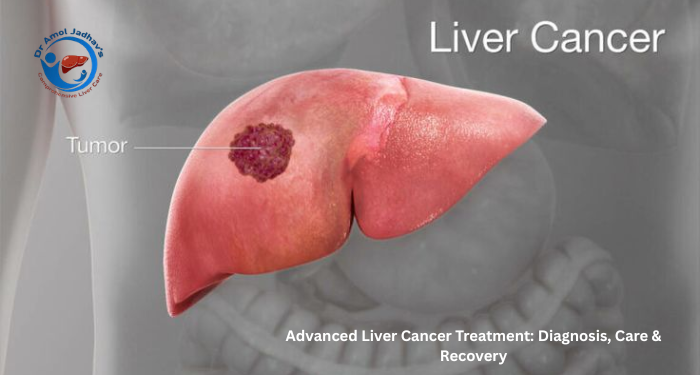
Liver cancer is a serious condition that requires timely diagnosis and expert medical care. While it can develop silently in its early stages, advancements in modern medicine have made treatment more effective than ever before. If you are looking for advanced Liver Cancer Treatment in Chhatrapati Sambhajinagar, Dr. Amol Jadhav offers comprehensive evaluation, personalized treatment planning, and compassionate care for patients with primary and secondary liver cancers. With expertise in hepatobiliary surgery and liver transplantation, Dr. Amol Jadhav provides evidence-based treatment tailored to each patient’s condition. Early diagnosis, proper staging, and a multidisciplinary approach play a vital role in improving treatment outcomes and quality of life. What Is Liver Cancer? Liver cancer occurs when abnormal cells in the liver begin to grow uncontrollably. The liver is one of the body’s most important organs, responsible for filtering toxins, producing bile, storing nutrients, and supporting metabolism. There are two main types of liver cancer: Primary Liver Cancer This begins in the liver itself. The most common type is Hepatocellular Carcinoma (HCC). Secondary (Metastatic) Liver Cancer This occurs when cancer spreads to the liver from another organ, such as the colon, pancreas, breast, or lungs. Understanding the type and stage of liver cancer helps determine the most suitable treatment plan. Common Risk Factors for Liver Cancer Several factors can increase the likelihood of developing liver cancer, including: People with chronic liver disease should undergo regular screening for early detection. Symptoms of Liver Cancer Liver cancer may not cause noticeable symptoms in the early stages. As the disease progresses, patients may experience: If these symptoms persist, consult a liver specialist without delay. How Is Liver Cancer Diagnosed? Early diagnosis greatly improves treatment outcomes. Dr. Amol Jadhav performs a detailed clinical evaluation using advanced diagnostic methods. Investigations may include: Accurate staging helps determine the best treatment strategy. Advanced Liver Cancer Treatment in Chhatrapati Sambhajinagar Patients searching for Liver Cancer Treatment in Chhatrapati Sambhajinagar can benefit from a personalized treatment approach based on: Every treatment plan is designed to provide the best possible clinical outcome while preserving liver function whenever possible. Treatment Options for Liver Cancer 1. Liver Surgery Surgical removal of the tumor is one of the most effective treatments when cancer is detected early and sufficient healthy liver tissue remains. The goal is complete removal of the cancer while preserving normal liver function. 2. Liver Transplant Patients with early-stage liver cancer and advanced liver cirrhosis may be suitable candidates for liver transplantation. As an experienced liver transplant surgeon, Dr. Amol Jadhav carefully evaluates patients to determine transplant eligibility and coordinates comprehensive pre- and post-transplant care. 3. Minimally Invasive Procedures Certain patients may benefit from minimally invasive treatments such as: These procedures can effectively control tumors while minimizing recovery time. 4. Targeted Therapy Advanced liver cancers may require targeted medications that specifically attack cancer cells while reducing damage to healthy tissue. These therapies are recommended based on individual clinical evaluation. 5. Immunotherapy Modern immunotherapy helps strengthen the body’s immune system to recognize and fight cancer cells. It has become an important treatment option for selected patients with advanced liver cancer. 6. Chemotherapy Although chemotherapy is less commonly used for primary liver cancer, it may be recommended in selected situations or for metastatic liver cancer. Treatment decisions are individualized based on each patient’s condition. Importance of a Multidisciplinary Approach Successful liver cancer treatment often requires collaboration among different medical specialists. Dr. Amol Jadhav works closely with: This coordinated approach ensures comprehensive care from diagnosis through recovery and long-term follow-up. Follow-Up Care After Liver Cancer Treatment Regular follow-up is essential after treatment to monitor recovery and detect any recurrence at an early stage. Follow-up may include: Consistent monitoring helps improve long-term outcomes. Lifestyle Tips for Better Liver Health Maintaining liver health plays an important role during and after treatment. Patients are advised to: Healthy lifestyle habits support recovery and overall well-being. Why Choose Dr. Amol Jadhav? Patients seeking Liver Cancer Treatment in Chhatrapati Sambhajinagar trust Dr. Amol Jadhav because of his expertise in managing complex liver diseases and hepatobiliary conditions. Highlights include: Every patient receives personalized care designed to achieve the best possible treatment outcomes. When Should You Consult a Liver Specialist? Seek medical attention if you have: Early consultation allows timely diagnosis and more effective treatment. Conclusion Liver cancer is a complex disease, but advances in diagnosis and treatment have significantly improved patient outcomes. Early detection, accurate diagnosis, and individualized treatment planning are key to successful management. If you are looking for advanced Liver Cancer Treatment in Chhatrapati Sambhajinagar, Dr. Amol Jadhav provides expert evaluation, comprehensive treatment planning, liver tumour management, surgical expertise, and coordinated care tailored to each patient’s needs. From early-stage tumors to complex liver conditions, every patient receives compassionate, evidence-based treatment aimed at improving survival, preserving liver function, and enhancing quality of life. Frequently Asked Questions 1. What are the early signs of liver cancer?Early signs may include fatigue, unexplained weight loss, abdominal pain, loss of appetite, jaundice, and abdominal swelling. 2. Can liver cancer be cured?If diagnosed at an early stage, liver cancer can often be treated successfully with surgery or liver transplantation. Treatment success depends on the stage and overall liver health. 3. Who is at higher risk of developing liver cancer?People with hepatitis B or C, liver cirrhosis, fatty liver disease, heavy alcohol use, obesity, or diabetes have a higher risk. 4. Is liver cancer treatment personalized?Yes. Treatment is tailored based on the cancer stage, liver function, overall health, and individual patient needs. 5. Why is early diagnosis important?Early diagnosis increases the chances of successful treatment, allows for more treatment options, and improves long-term outcomes.
Why Your Liver Is Your Body’s Natural Detoxifier and How to Keep It Healthy
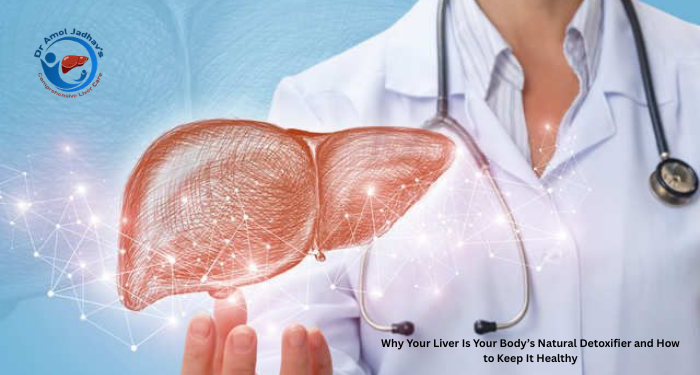
The liver is one of the most important organs in the human body. It performs more than 500 vital functions, including detoxifying harmful substances, processing nutrients, and supporting digestion. Often called the body’s natural filter, the liver works continuously to remove toxins and maintain overall health. However, poor lifestyle habits, unhealthy diet, alcohol consumption, and infections can damage the liver over time. If you experience symptoms of liver dysfunction, consulting a Liver Specialist in Pune can help with early diagnosis and treatment. What Does the Liver Do? The liver plays a crucial role in maintaining your body’s internal balance: Because of these essential functions, maintaining liver health is critical for overall well-being. Why the Liver Is Called a Natural Detoxifier The liver filters blood coming from the digestive tract before it reaches the rest of the body. It breaks down harmful substances like alcohol, drugs, and toxins into safer compounds that can be eliminated through urine or stool. Unlike detox drinks or supplements, your liver already performs detoxification naturally and efficiently—if it is healthy. Common Causes of Liver Damage Several factors can affect liver health: Excess Alcohol Consumption Alcohol is one of the leading causes of liver damage and fatty liver disease. Unhealthy Diet High-fat, processed, and sugary foods can lead to fatty liver. Viral Hepatitis Hepatitis B and C infections can cause long-term liver damage. Obesity Excess body fat increases fat accumulation in the liver. Medications Overuse of certain drugs can strain liver function. Early Signs of Liver Problems Liver disease often develops silently, but some symptoms may include: If you notice these signs, consult a Liver Specialist in Pune immediately. How to Keep Your Liver Healthy 1. Eat a Balanced Diet Include fruits, vegetables, whole grains, and lean proteins. Avoid junk and processed food. 2. Stay Hydrated Water helps the liver flush out toxins effectively. 3. Limit Alcohol Intake Avoid or reduce alcohol consumption to prevent liver damage. 4. Maintain a Healthy Weight Regular exercise helps prevent fatty liver disease. 5. Exercise Regularly Physical activity improves metabolism and liver function. 6. Avoid Unnecessary Medicines Do not self-medicate or overuse painkillers. 7. Get Vaccinated Vaccination against hepatitis A and B helps protect liver health. When Should You See a Liver Specialist? You should consult a Liver Specialist in Pune if you experience: Early diagnosis can prevent serious complications like cirrhosis or liver failure. Treatment Options for Liver Problems Treatment depends on the condition: Regular follow-ups with a liver specialist ensure better outcomes. Conclusion The liver is a powerful organ that naturally detoxifies your body and keeps you healthy. However, it needs proper care and a healthy lifestyle to function efficiently. Simple habits like eating right, exercising, and avoiding alcohol can go a long way in protecting liver health. If you have symptoms or risk factors, consult an experienced Liver Specialist in Pune for timely evaluation and treatment. FAQs 1. Does the liver need detox drinks or supplements? No. A healthy liver naturally detoxifies the body without special detox products. 2. What is fatty liver disease? It is a condition where excess fat accumulates in liver cells, often due to poor diet or obesity. 3. Can liver damage be reversed? Early-stage liver damage can often be managed or reversed with lifestyle changes and treatment. 4. What foods are good for liver health? Fruits, vegetables, whole grains, nuts, and lean proteins support liver function. 5. When should I see a liver specialist? If you have symptoms like jaundice, fatigue, abdominal pain, or abnormal liver tests, consult a specialist immediately.
Understanding Liver Disease: Early Signs, Treatment Options & When You Need a Liver Transplant
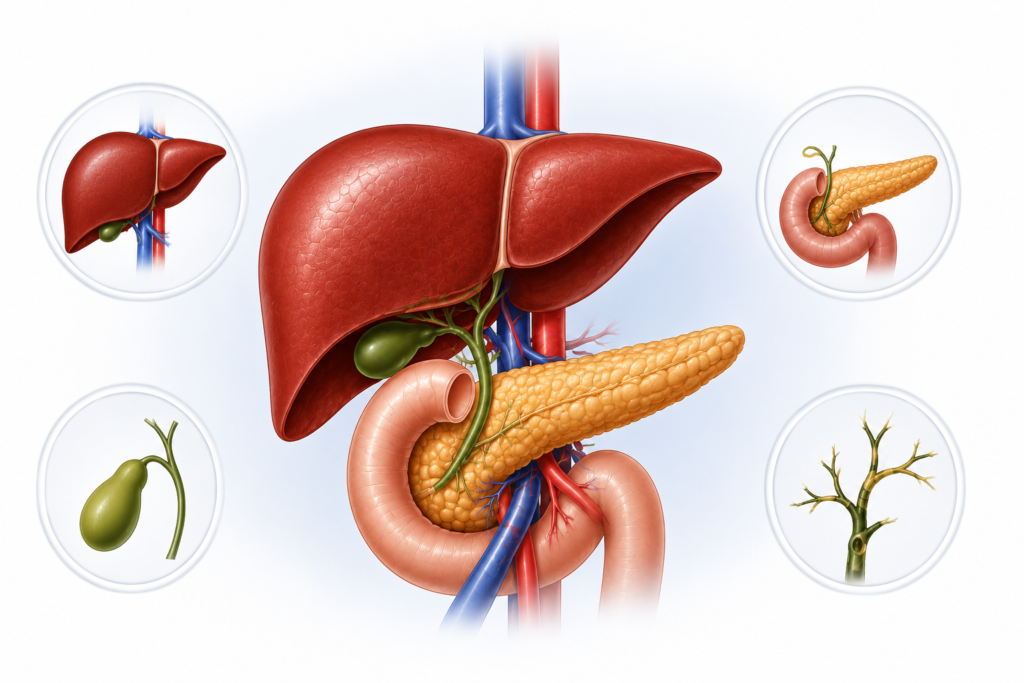
The liver is one of the most important organs in the human body. It performs over 500 vital functions, including detoxifying harmful substances, producing essential proteins, aiding digestion, and regulating metabolism. When the liver becomes damaged, it can significantly impact overall health and quality of life. What is Liver Disease? Liver disease refers to any condition that affects the normal functioning of the liver. It may develop gradually over several years or occur suddenly due to infections, toxins, or other medical conditions. Common liver diseases include: Fatty Liver Disease Liver Cirrhosis Hepatitis (A, B, C, D & E) Liver Failure Liver Cancer Jaundice Autoimmune Liver Diseases Genetic Liver Disorders Common Symptoms of Liver Disease Many liver diseases show no symptoms in the early stages. However, as the condition progresses, patients may experience: Yellowing of the eyes and skin (Jaundice) Abdominal swelling Fatigue and weakness Loss of appetite Nausea and vomiting Unexplained weight loss Dark-colored urine Easy bruising or bleeding Confusion or memory problems If you experience any of these symptoms, consult a liver specialist immediately. What Causes Liver Disease? Several factors can contribute to liver damage, including: Fatty Liver Disease Caused by excessive fat accumulation in the liver due to obesity, diabetes, high cholesterol, or unhealthy lifestyle habits. Alcohol Consumption Excessive alcohol intake can lead to alcoholic liver disease and cirrhosis. Viral Hepatitis Hepatitis B and C infections are among the leading causes of chronic liver disease worldwide. Genetic Disorders Conditions such as Wilson’s Disease and Hemochromatosis can affect liver function. Certain Medications and Toxins Long-term use of certain medications and exposure to harmful chemicals may damage the liver. Advanced Treatment Options for Liver Disease Modern medicine offers several effective treatments depending on the severity and cause of liver disease. Medical Management Early-stage liver disease can often be managed through medications, lifestyle modifications, and regular monitoring. Endoscopic & Interventional Procedures Advanced procedures can help manage complications such as variceal bleeding, bile duct obstruction, and portal hypertension. HPB Surgery Hepato-Pancreato-Biliary (HPB) surgery is used to treat conditions affecting the liver, pancreas, gallbladder, and bile ducts. Common HPB procedures include: Liver Resection Surgery Bile Duct Surgery Gallbladder Surgery Pancreatic Surgery Liver Tumor Removal When is a Liver Transplant Needed? A liver transplant becomes necessary when the liver can no longer perform its essential functions and other treatments are no longer effective. Conditions that may require liver transplantation include: End-Stage Liver Disease Advanced Cirrhosis Acute Liver Failure Liver Cancer (selected cases) Certain Metabolic Disorders Types of Liver Transplants Living Donor Liver Transplant A healthy individual donates a portion of their liver, which regenerates naturally in both donor and recipient. Deceased Donor Liver Transplant The liver is obtained from a brain-dead donor after proper medical and legal approvals. Pediatric Liver Transplant Specialized liver transplantation performed for infants and children with severe liver diseases. ABO Incompatible Liver Transplant Advanced transplant procedures allow successful transplantation even when blood groups are not perfectly matched in selected cases. Importance of Early Diagnosis Early detection significantly improves treatment outcomes and may prevent progression to liver failure. Regular screening is especially important for individuals with: Diabetes Obesity Family history of liver disease Hepatitis infection Excessive alcohol consumption Expert Liver Care You Can Trust With advances in liver transplantation, HPB surgery, and comprehensive liver disease management, thousands of patients successfully return to healthy and active lives every year. Timely diagnosis, expert care, and personalized treatment remain the key to achieving the best outcomes in liver disease management. Need Expert Consultation? If you are experiencing liver-related symptoms or seeking advanced liver treatment, consult Dr. Amol Jadhav, a specialist in Liver Transplantation, HPB Surgery, and Comprehensive Liver Care, for personalized evaluation and treatment guidance.