
Evaluation

Understanding

What is Evaluation?

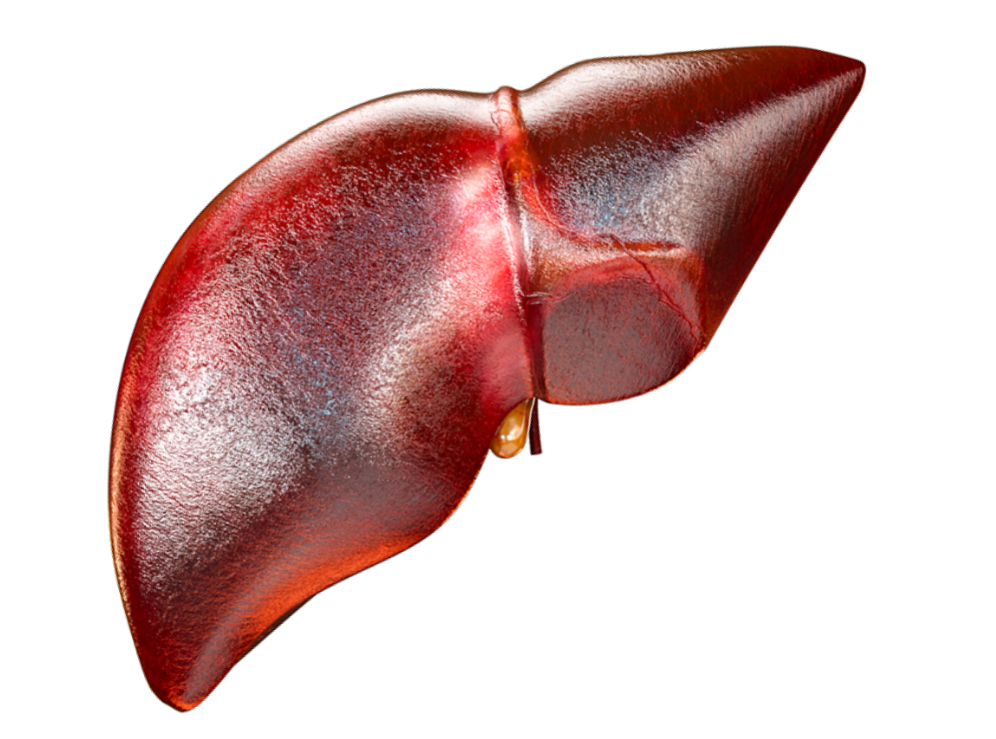
A liver transplant is a surgical intervention that involves the removal of a malfunctioning liver with a healthy liver taken from a deceased donor or part of a healthy liver taken from a living donor. Liver transplant is generally the treatment option for people with end-stage liver disease or who have significant risk of complications due to severely impaired liver function. It can also be opted to manage sudden liver failure.

A liver transplant is recommended when the liver can no longer perform its essential functions and medical treatments are no longer effective. The procedure offers a life-saving solution for patients with severe liver disease and significantly improves both survival rates and quality of life.

Evaluation Process:

Liver Transplant

  • Medical History: Consult a liver specialist doctor in Lucknow for assistance immediately if you’re experiencing symptoms associated with liver failure. Tell doctor about your medicines, any medical conditions you may have (including genetic abnormalities), or a history of alcohol abuse.
  • Complete Physical Examination: You will undergo thorough physical examination. This will help your doctor determine the various parameters to help with your testing and assessing overall health status.
  • Counseling: Your transplant surgeon will counsel you on your diagnosis and complete treatment plan thoroughly. They will guide how to enroll for receiving transplant and prepare for the treatment. They will also guide you with important tips for early and better recovery.

Preoperative testing of Liver Transplant Surgery

  • Liver function tests (LFT): LFT measures the concentrations of different proteins and enzymes in your blood. Your liver’s functionality may be determined by the levels of these proteins and enzymes.
  • Other blood tests: In addition, a doctor may conduct a full blood count to screen for diseases like viral hepatitis or genetic disorders that can harm the liver.
  • Imaging tests: An ultrasound, CT scan, or MRI are examples of imaging technologies that can be used to visualize your liver’s structural integration.Magnetic resonance imaging (MRI) of abdomen/pelvis OR
  • Liver biopsy: This test is commonly performed to assess liver damage. Your doctor takes a small fragment of your liver during a liver biopsy so it can be studied in a lab.

Frequently Asked Questions

Get answers to your questions

Q1: What will happen in a liver transplant evaluation?

A: The transplant team will schedule a number of consultations, blood work, and diagnostic tests during your week-long stay to determine whether a liver transplant is the best course of action for you.

Q2: Which inquiries to make regarding a liver transplant?

A: What is the liver survival rate at the transplant center? How can I increase the chances of my surgical success? How long does recovery from surgery usually take? May I take my meds on time every day?

Q3: Can I drink alcohol before the surgery?

A: Abstain from drinking alcohol before and after surgery. This is because alcohol may affect your prognosis and recovery badly.

Q4: Can I smoke cigarettes before the surgery?

A: Stop smoking before and after surgery. This is because tobacco inhalation may have a bad effect on your lung and overall health which may affect your preoperative health status and may interfere with your recovery process.