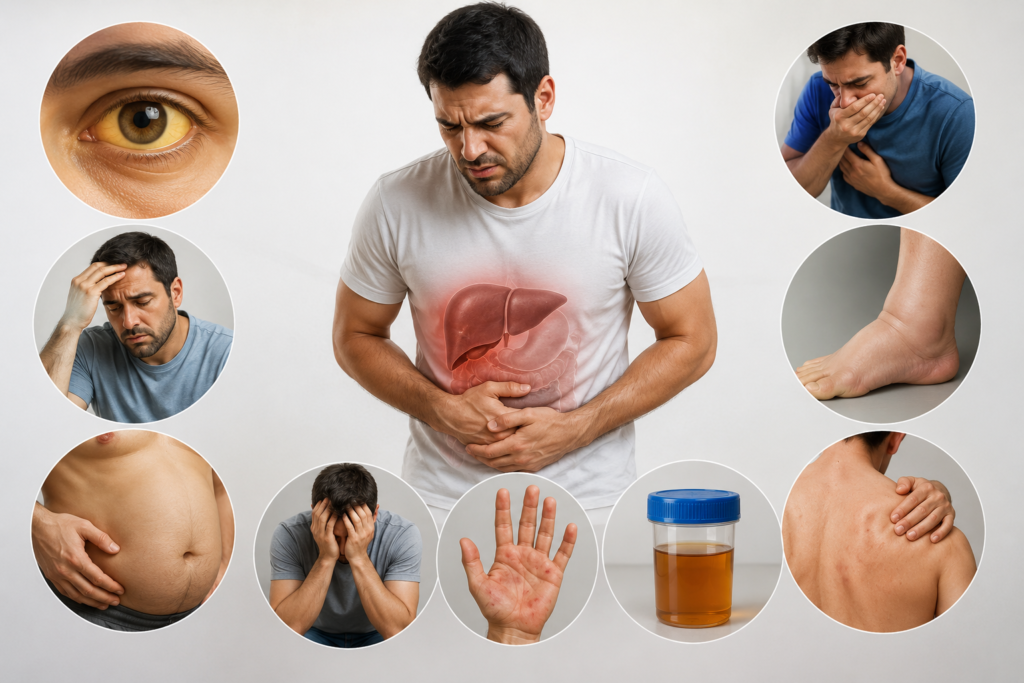
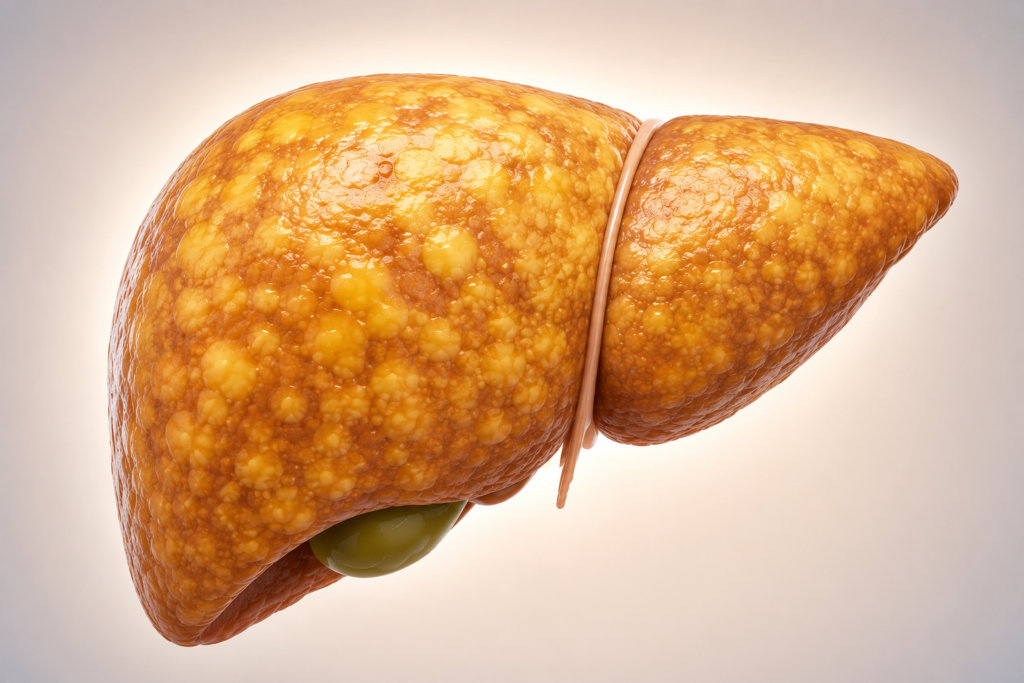
An excessive accumulation of fat in the liver can result in inflammation and subsequent problems. A few dietary and exercise adjustments could help the condition get better. Fatty Liver or hepatic steatosis happens when the liver tissue accumulates excessive fat abnormally. Small amounts of fat in the liver are normal, but excessive fat can cause health issues.
Your body’s second-largest organ is your liver. It detoxifies your blood of toxins and aids in the digestion of nutrients from food. Liver inflammation caused by excess fat in the liver can harm and scar the liver tissue. Severe scarring can result in liver failure.
The term “alcoholic fatty liver disease” (AFLD) refers to fatty liver that occurs in heavy alcohol consumers. It is referred to as nonalcoholic fatty liver disease (NAFLD) in individuals who do not consume excessive alcohol.
Fatty liver disease is classified into two categories. Nonalcoholic fatty liver disease (NAFLD) is a condition in which you have abnormal fat deposition in the liver without any liver damage. Nonalcoholic steatohepatitis (NASH) is the condition that occurs when there is fat in the liver along with symptoms of inflammation and damage to the liver cells.
Diagnosis of Fatty Liver Disease
This is the foremost and most significant phase in a living donor transplant, where the surgeon, recipient, and donor are all scheduled to meet on a specific date according to their availability. Depending on the availability of the deceased donor, surgery for a deceased donor transplant is typically planned immediately. To do this, you must put your name on the transplant list. As soon as a donor becomes available, you will be contacted.
Treatment of Fatty Liver Disease
Losing weight is advised by doctors for nonalcoholic fatty liver. Losing weight can lower inflammation, fibrosis, and liver fat. You should cease taking a medication if your doctor believes it is the reason behind your non-alcoholic fatty liver disease (NAFLD). However, consult with your doctor before quitting the medication. It might be necessary for you to gradually stop taking the medication and switch to an alternative.
No medications have been approved for the treatment of NAFLD yet. Further research is required to determine whether vitamin E or a specific diabetes medication can be helpful.
Quitting alcohol is the most crucial step in treating fatty liver disease associated with alcohol consumption. You can visit a therapist or take part in an alcohol recovery program if you require assistance with that. Additionally, there are medications that may lessen your alcohol cravings or make you feel unwell if you consume alcohol.
Cirrhosis can result from nonalcoholic steatohepatitis, a type of nonalcoholic fatty liver disease, as well as from alcoholic fatty liver disease. Doctors can use medications, surgeries, and other medical procedures to treat the health issues brought on by cirrhosis.
A: Most of the time, early-stage NAFLD is harmless, but if it worsens, it can result in significant liver damage, including cirrhosis. Additionally linked to a higher risk of major health issues like diabetes, high blood pressure, and kidney disease are high liver fat levels.
A: Statistics show that NAFLD may shorten life expectancy by approximately 4.4 years for men and 4.2 years for women. Some individuals may experience a reversal of their fatty liver, while others may experience inflammation and eventual damage to their liver cells.
A: There isn’t a medication that can reverse the accumulation of fat in your liver if you have NASH. There are instances where the liver damage ceases or even reverses. However, the illness worsens in some people. Controlling any conditions that can lead to fatty liver disease is crucial if you have nonalcoholic steatohepatitis (NASH).
A: Certain substances or antioxidants found in a wide variety of foods have been demonstrated to support liver function. Grapefruit, blueberries, cranberries, olive oil, fatty fish, and cruciferous vegetables like Brussels sprouts or broccoli are a few examples.
A: The American Liver Foundation states that non-alcoholic fatty liver disease does not currently have a medical treatment. Thus, the best strategies to either stop liver damage from occurring or to reverse liver disease in its early stages are to maintain a healthy diet and engage in regular exercise.
Copyright © 2026 Dr. Amol Jadhav All rights reserved